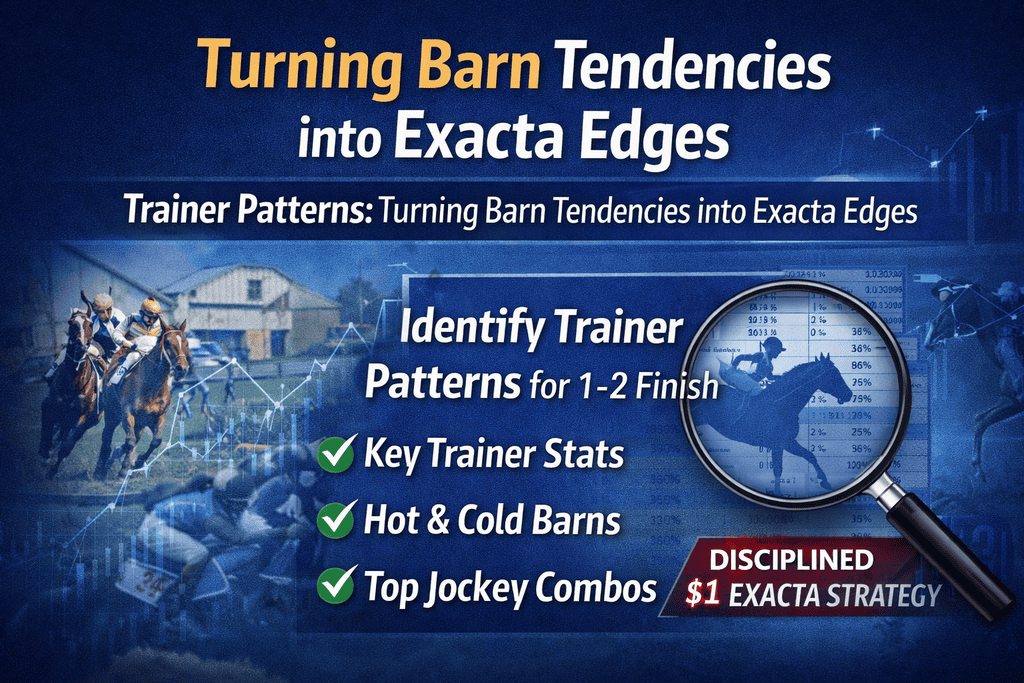
Pace Shape in Horse Racing: The Simple Framework Serious Bettors Use
Forget the guesswork that drains your bankroll. Most bettors struggle to read pace shape and end up chasing false favorites or missing overlays. This post reveals a simple, repeatable framework to spot the most probable 1–2 finishers using race flow, fractions, and energy distribution. You’ll see how Battaglia’s Picks combines decades of study with AI to turn pace pressure into exacta profits. For more insights, check out this guide.
Understanding Pace Shape
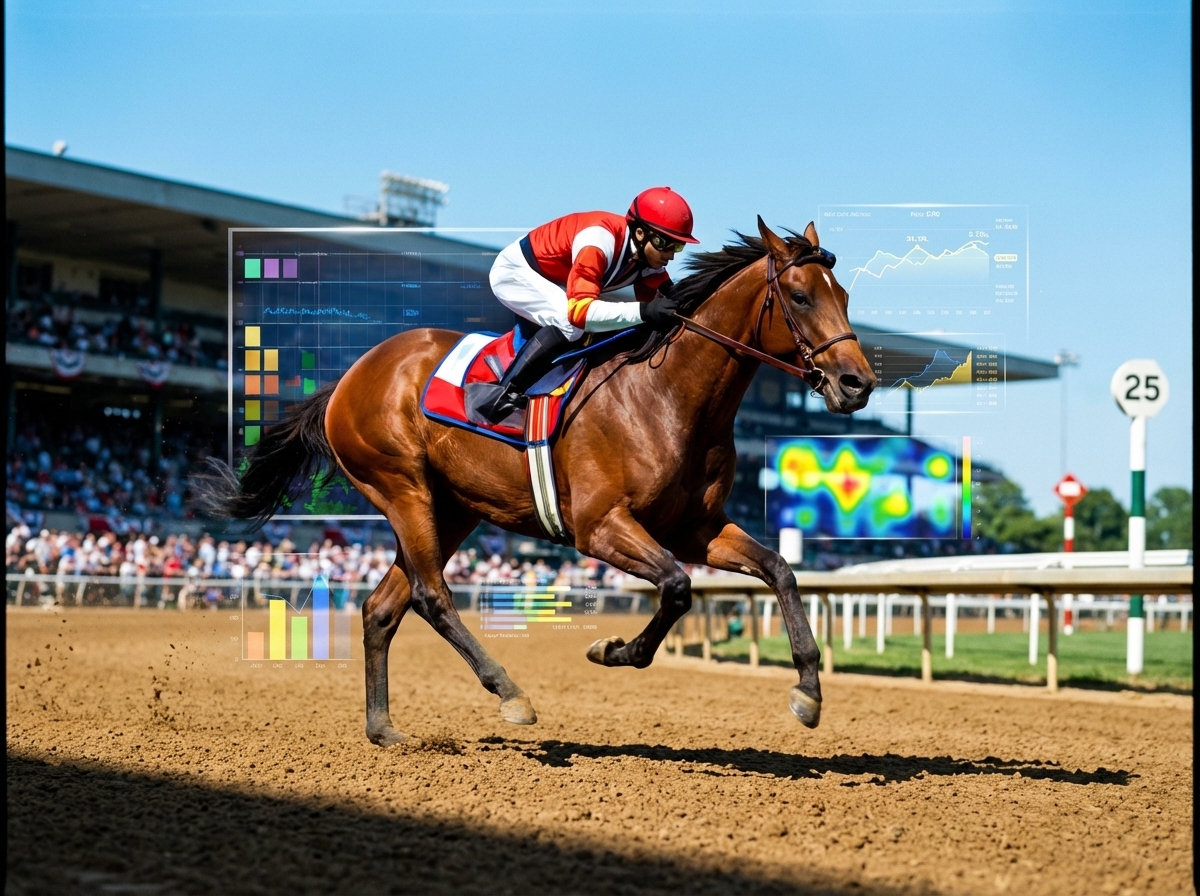
Understanding the nuances of pace shape is crucial in betting. It reveals the hidden dynamics of a race, giving you an edge.
Key Elements of Race Flow
Race flow is all about how a race unfolds. When you assess race flow, you’re looking at the early speed, pace pressure, and potential pace collapse. These elements can change the outcome of a race significantly. For instance, if a race has several fast starters, it may set up well for a late runner who can capitalize on a pace collapse. Knowing this helps you predict how the race will develop, which is key to betting effectively.
The fractions tell the story of the race’s pace. By examining the time splits, you can determine whether the early pace was too fast or too slow, affecting the energy left for the final stretch. This insight is vital in identifying potential winners who can sustain or exploit the pace.
Read more on understanding pace.
Identifying Early Speed and Pressers
Some horses thrive on early speed. These are the sprinters who aim to lead from the start. Recognizing these horses involves looking at their past performances in the early fractions. If a horse consistently breaks quickly, it’s likely an early speed type. These horses often set the tone of the race by establishing the initial pace.
Pressers, on the other hand, stay close to the leaders but conserve energy for the final push. They benefit when the early pace is hot, as they can overtake fatigued leaders. By identifying pressers, you can spot horses that are in a strong position to finish well, especially in races with fast early fractions. This distinction is crucial to forming your betting strategy.
Recognizing Stalkers and Closers
Not every horse wants to lead early. Stalkers sit just behind the leaders, ready to pounce as the race progresses. They are tactical runners who wait for the right moment. Watch for horses that consistently place within striking distance but reserve energy for the end. These horses thrive in races with moderate early speed.
Closers are the ultimate late runners. They hang back early but unleash a strong finish. They excel when the leaders tire out from a fast pace. Recognizing closers involves looking at horses with strong final fractions. These horses can often capitalize on a pace collapse, making them valuable in your exacta strategy.
Framework for Exacta Strategy
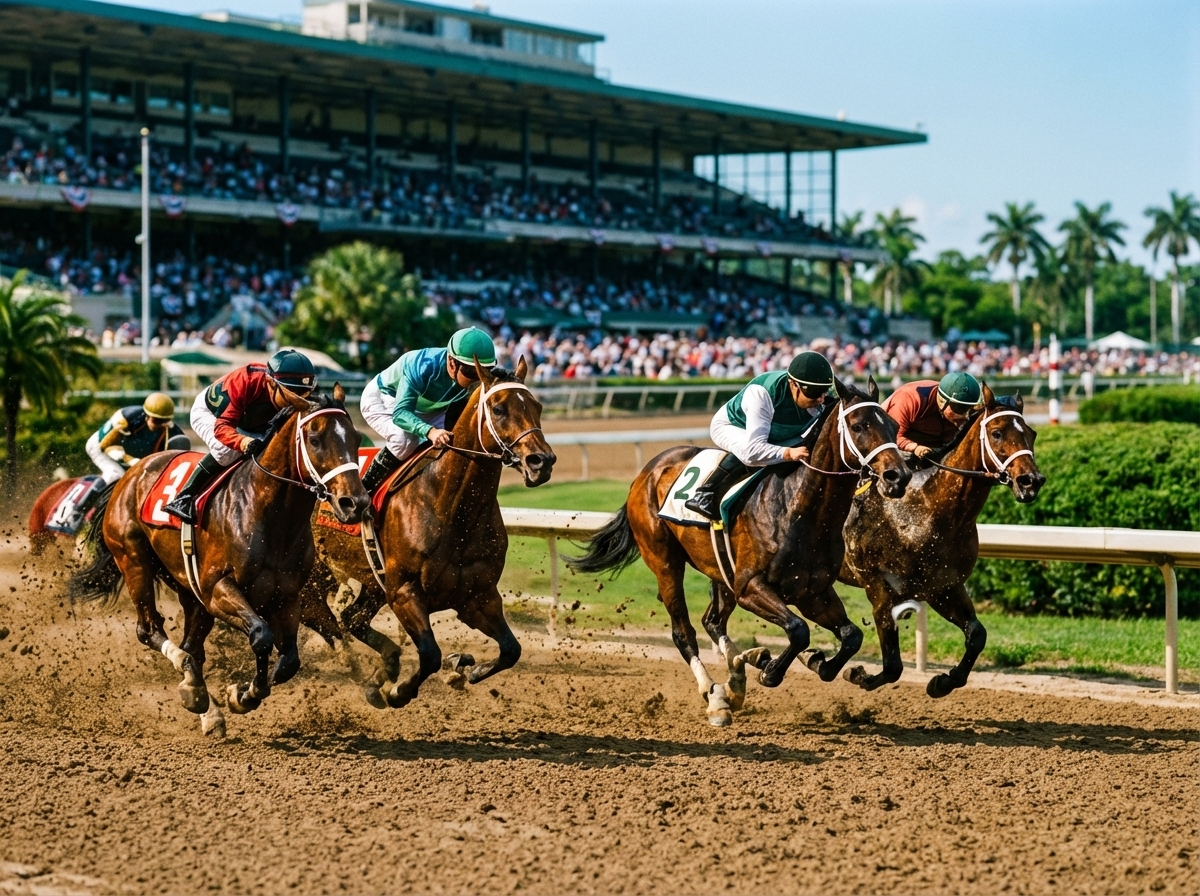
Now that you understand pace shape, let’s look at how to apply it to your betting strategy.
Probability-Based Betting Approach
Exacta betting is about probability. Instead of guessing, use a structured approach. Start by identifying the top contenders using pace shape analysis. Prioritize those with a strong probability of finishing in the top two. This method isn’t about picking the favorite but recognizing where the real value lies.
By focusing on probability, you align your bets with statistical insights. This increases your chances of hitting a successful exacta. Remember, the goal is to maximize your opportunities for profit, not just to pick a winner.
Utilizing Exacta Boxes and Overlays
Exacta boxes let you cover more combinations. By boxing multiple horses, you increase your chances of hitting the correct 1-2 finish. Overlays occur when a horse is undervalued by the public. These are your opportunities. Look for horses with strong pace figures that the public overlooks. They often offer great value, especially when boxed with other top contenders.
Using exacta boxes strategically involves a balance. You want to cover enough combinations to increase your probability while keeping the cost manageable. The key is identifying overlays that offer potential high returns without overextending your bankroll.
Handling False Favorites and Value Betting
Not every favorite deserves the hype. False favorites are horses that the public overbets based on superficial stats like speed figures. Recognizing these can save you from poor bets. Instead, focus on value betting. This means finding horses that offer a better return relative to their true chances of winning.
Value betting requires discipline and patience. It’s about spotting the underappreciated contenders that can deliver higher returns. By avoiding false favorites and concentrating on true value, you increase your long-term profitability.
Applying AI Handicapping Techniques
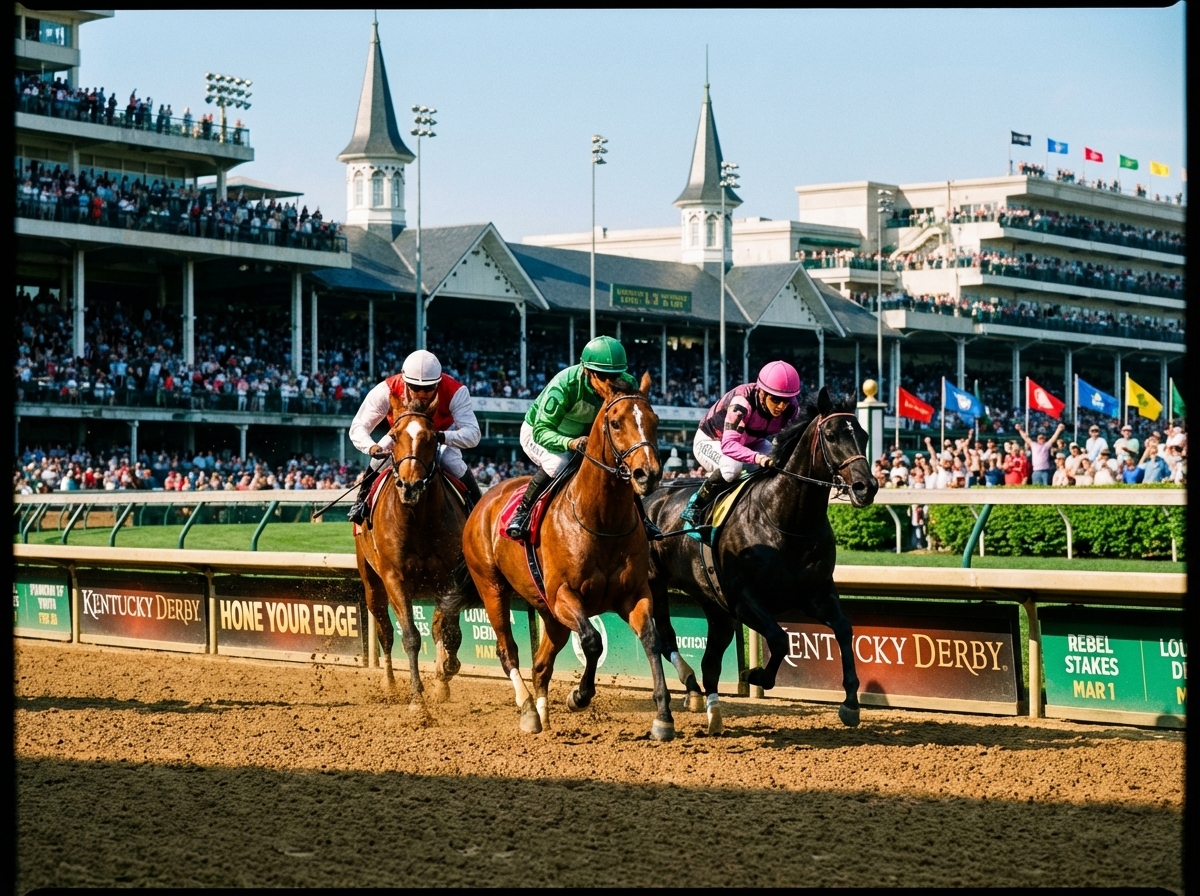
Advanced AI tools can enhance your handicapping skills. They provide insights that might be hard to spot manually.
Using Pace Projector and Trip Notes
The Pace Projector is a valuable tool. It simulates race scenarios based on past performances, helping you visualize how a race might unfold. This can be a game-changer in identifying potential winners. Similarly, trip notes offer detailed observations on a horse’s racing style and past performances. They reveal nuances like how a horse handles different track surfaces or distances.
Together, these tools provide a comprehensive view of each race, allowing you to make informed decisions. They help you identify which horses are likely to perform well under the predicted race conditions, giving you a strategic advantage.
Factoring in Track Bias and Class Drop
Track bias is an influential factor. It refers to the tendency of certain tracks to favor specific running styles. Understanding this bias can guide your betting strategy. For example, some tracks favor speed, meaning leaders are more likely to win. Knowing this can help you adjust your selections accordingly.
Class drop is another key element. When a horse moves to a lower class race, it often faces less competition, increasing its chances of success. Identifying these horses can lead to profitable betting opportunities. Combining track bias with class drop analysis can significantly enhance your betting strategy.
Exploring ROI with Aqueduct and Gulfstream Picks
Return on investment (ROI) is the ultimate goal. By applying these strategies, you can improve your ROI at tracks like Aqueduct and Gulfstream. These tracks offer a variety of races, providing ample opportunities for applying your exacta strategy.
Using AI tools and pace analysis, you can identify potential overlays and value bets at these tracks. Focus on horses that align with your pace shape insights and probability-based strategies. With disciplined application, you can turn these insights into consistent profits.
Explore more about race shape analysis to refine your approach. Each race offers new challenges, but with this framework, you’re equipped to tackle them with confidence.