How to Identify False Favorites Before You Bet: A Pace-and-Class Checklist
False favorites wreck your exacta tickets far too often. You see a horse with flashy speed figures and public money, but the pace shape and class dynamics tell a different story. This checklist breaks down how to spot those traps before the gates open, giving you a clearer edge in horse racing betting. Stick with this pace-and-class approach to sharpen your exacta strategy and protect your bankroll. For more insights, check out this resource.
Recognizing False Favorites
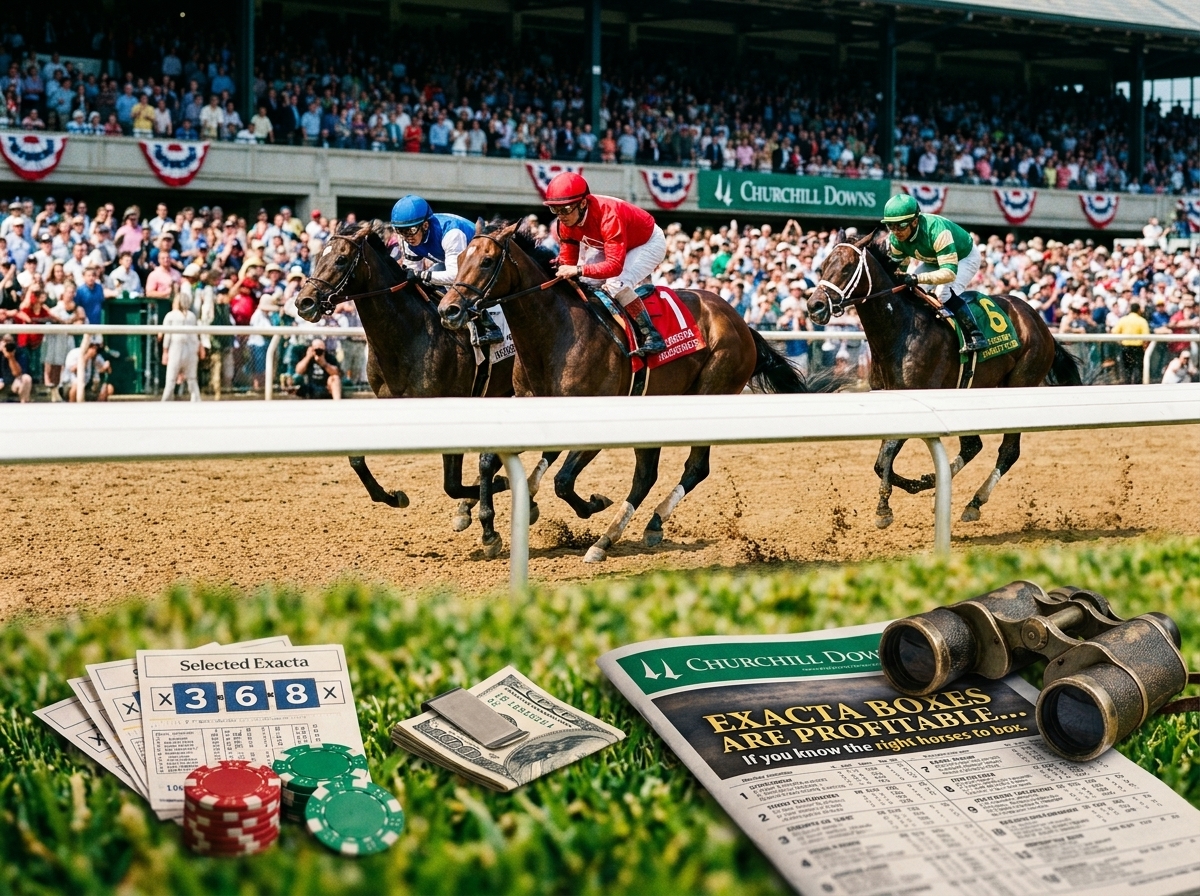
The key to better betting is knowing when a favorite is poised to fail. Spotting these false favorites can save your bankroll and improve your exacta payouts.
Decoding Pace and Class
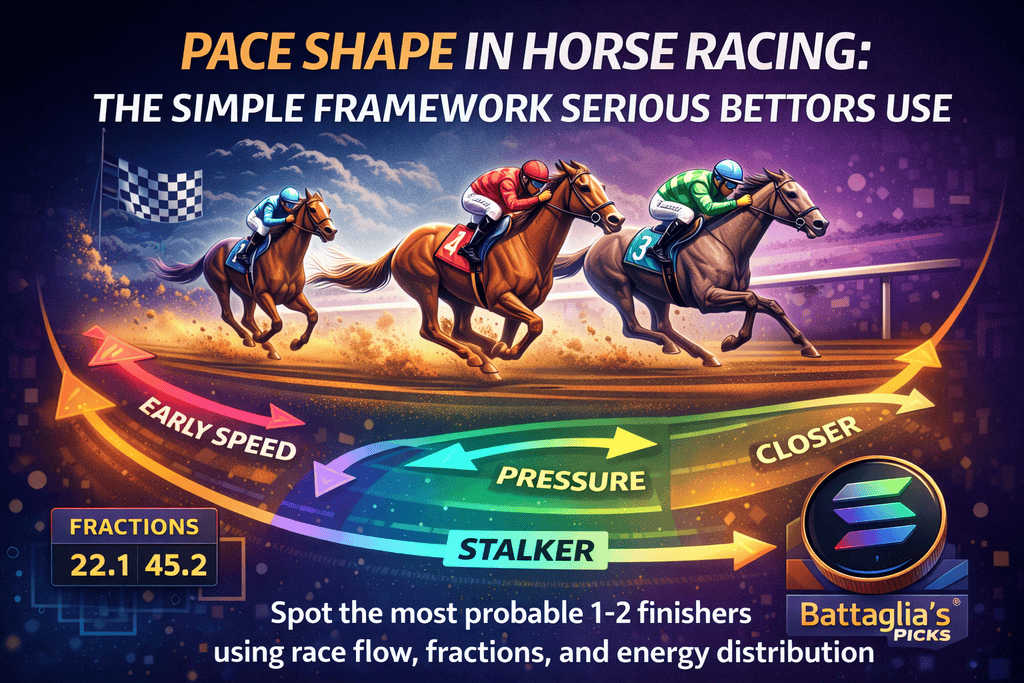
When you’re looking at a race, don’t just see numbers. Understand the story behind them. Pace shape is crucial. It tells you how the race might unfold. A horse with a high early speed might not maintain that pace if pressed. Think about past performances: did this horse get an easy lead, or was it challenged? Class, too, matters. A drop in class can suggest a struggling horse, while a rise might mean it’s in over its head. Want to dig deeper? Explore this guide on false favorites.
Spotting Public Money Traps
Sometimes, odds drift for the wrong reasons. The public may jump on a horse based on reputation, not current form. Watch out for horses with odds skewed by hype or name recognition. When you see a horse getting more money than its form justifies, that’s a red flag. The morning line vs tote board is a good indicator. Look for patterns where the public consistently bets on popular names, missing under-the-radar contenders.
Overlay vs Underlay Analysis
Understanding whether a horse is an overlay or underlay is key. An overlay is a horse with odds higher than you think they should be, offering value. An underlay is the opposite, where the odds are too low. Compare a horse’s form with its odds: is it truly worth the risk? Many bettors miss these distinctions, leading to poor decisions. For those seeking more data-driven insights, this handicapping PDF offers practical tips.
Analyzing Pace Shape and Pressure
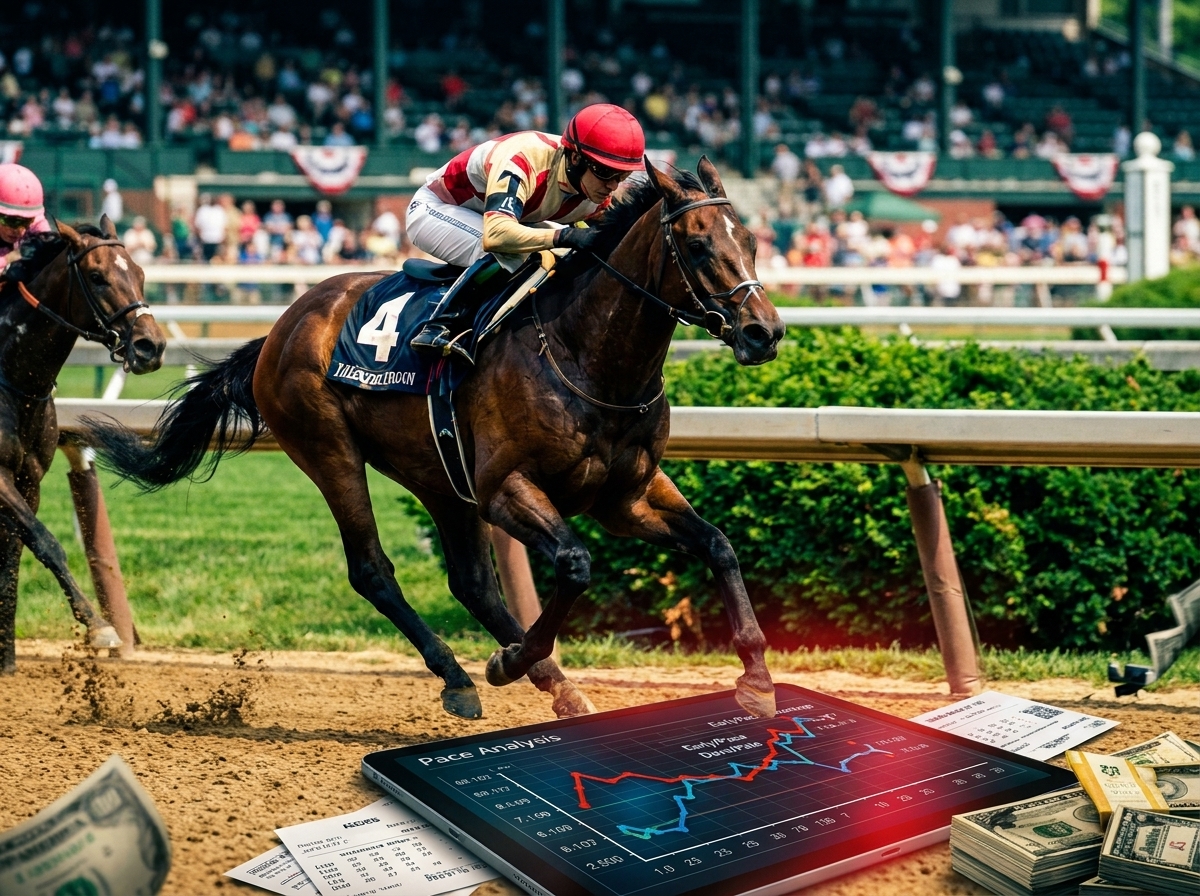
Once you’ve recognized false favorites, it’s time to delve into race dynamics. Analyzing pace shape can give you an edge over casual bettors.
Identifying Speed Duel Threats
Speed duels can ruin a front-runner’s chances. Look for multiple horses with similar early speed. If a horse habitually gets involved in speed duels, it’s a risky bet. When two or more speedsters clash, they tire out, setting up the race for a closer. Watch past races and note when speed duels occur. These insights can be the difference between a winning and losing ticket.
Evaluating Track Bias and Conditions
Track bias can tilt the odds in your favor. Some tracks favor speed, others reward closers. Weather conditions also play a role. A wet track might benefit a mud lover. Keep track of which horses perform well under specific conditions. This is where your knowledge of track bias becomes invaluable. Don’t overlook this factor; it can be a game-changer.
Using Positional Logic Effectively
Positioning during a race can determine the outcome. Horses with an inside post might save ground but get boxed in. Conversely, an outside post could offer a clear run but at the cost of covering extra ground. Evaluate each horse’s preferred position and how past races have played out. This knowledge helps you anticipate race-day strategies.
Class and Form Considerations
Understanding class and form cycles will refine your exacta strategy. It’s about seeing beyond the surface stats.
Understanding Class Drop and Rise
A class drop can indicate a horse is out of its depth, while a class rise might suggest testing new waters. However, not every drop is a bad sign. Sometimes it’s a strategic move by the trainer. Look at how horses have performed after changing classes. This can reveal patterns and provide an edge when forming your betting strategy.
Analyzing Form Cycle and Bounce Pattern
Horses, like humans, have good and bad days. A bounce pattern happens when a horse runs a great race and then falters. It’s crucial to analyze recent form cycles. Has the horse been on an upward trajectory, or do you sense a regression? This insight can save you from betting on a horse that’s over its peak.
Trainer Intent and Barn Patterns
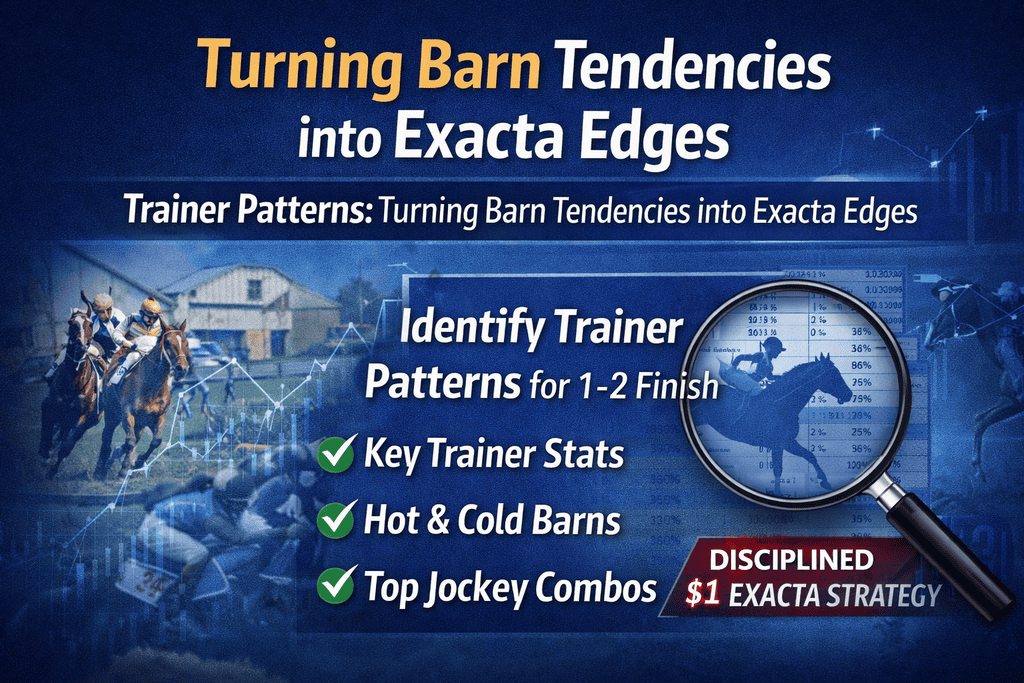
Trainers have specific strategies and patterns. Some are known for winning off a layoff or excelling in specific barn patterns. Knowing these patterns helps you gauge a horse’s potential performance. Watch for subtle signs like workout patterns, jockey choices, and recent race placements. This information rounds out your understanding of a horse’s chances on race day.
Incorporate these strategies into your betting routine, and you’ll start to see improvements in your exacta outcomes. Keep learning, stay curious, and remember: the more informed you are, the better your betting decisions will be.