False Favorites in Horse Racing: Spot Them Before the Crowd Does
Public favorites often hide costly traps. You see a horse with flashy speed figures and jump on the bandwagon, only to watch it fade under pace pressure or class mispricing. Spotting false favorites before the crowd does gives you a real edge in horse racing betting. This post breaks down a proven framework using pace shape, positional logic, and tote board clues to spot these pitfalls—and how to turn that insight into exacta strategy gold. For more insights, check out this guide on identifying false favorites.
Identifying False Favorites
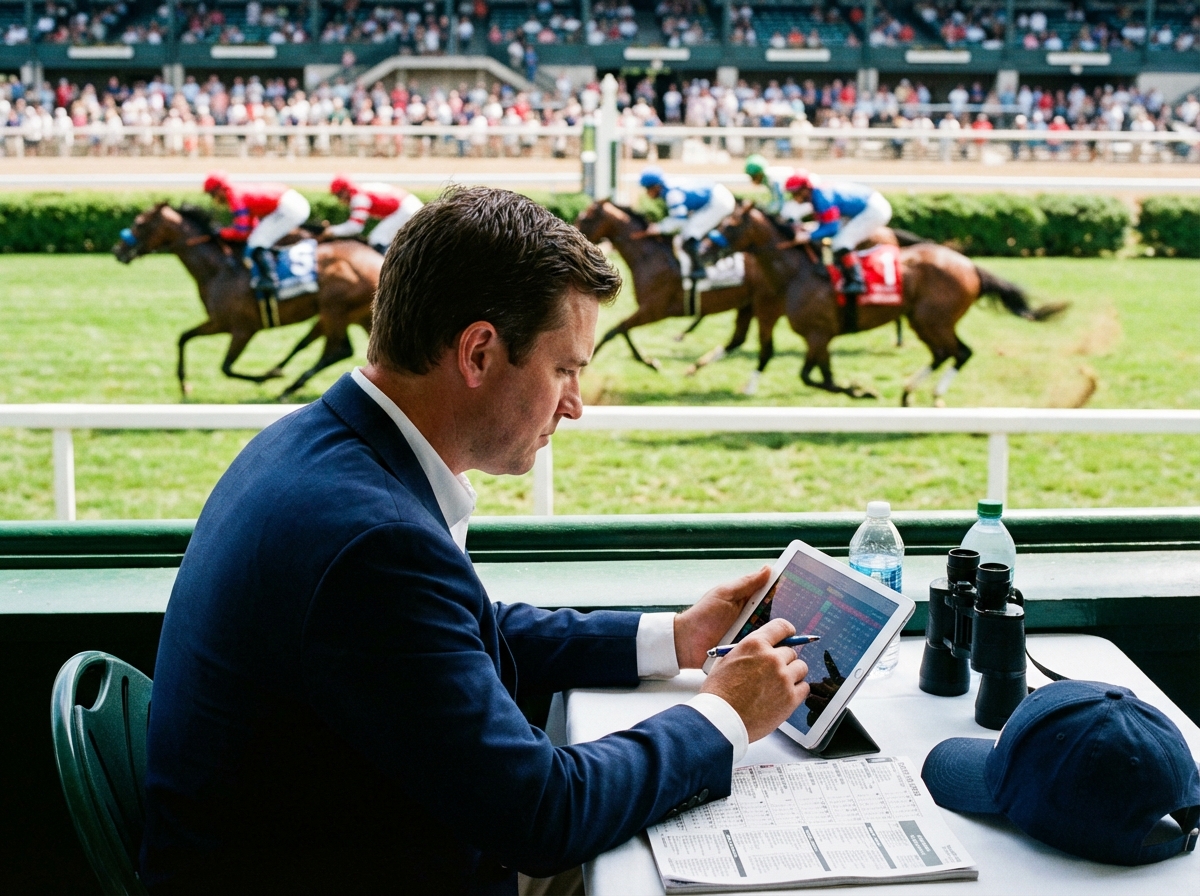
Understanding the nuances of racing can help you spot false favorites before others. This section reveals key indicators to watch for, ensuring you make informed choices.
Analyzing Pace Shape and Pressure
Pace shape is the backbone of any race. It determines how speed is distributed among horses, creating opportunities for upsets. A horse leading early might seem strong, but can it maintain that speed under pressure? Look at past races where similar setups led to a pace meltdown. If the competition is fierce, early leaders might tire out, allowing others to surge ahead.
Consider a race with multiple front-runners: this often leads to a battle for the lead, which can exhaust those horses. On the flip side, if one horse holds a lone-speed advantage, it might control the pace and win easily. Understanding these dynamics can turn potential pitfalls into profitable plays.
A practical example: if Horse A consistently falters when pressed by multiple rivals, it’s a likely false favorite under today’s conditions. Keep an eye out for horses with strong closing abilities that can capitalize on such setups.
Class Drop vs Class Relief
Class structure can be deceptive. A horse dropping in class might seem like an easy pick, but is it a class drop or legitimate class relief? The difference is crucial. Horses dropping from a higher class without performing well often signal issues like hidden injuries or lack of competitiveness.
In contrast, horses genuinely seeking class relief look for softer competition to regain form. Analyzing past performances can reveal their true intent: did they struggle against tougher rivals or were they simply unlucky? Use this information to gauge their chances today.
When evaluating, ask: is this horse genuinely outclassed, or is the drop a strategic move by the trainer? A class drop can be a red flag if not supported by other strong factors like recent good form or consistent finishes.
Tote Board Analysis and Public Bias
The tote board reveals public betting patterns, often highlighting bias. A favorite with heavy public backing might not always be the best choice. Look for signs of public bias: are bettors drawn to a horse due to a well-known jockey or impressive speed figures alone?
Such favorites can be overbet, presenting opportunities to find true value elsewhere. Check for odds drift throughout betting as well. If a favorite’s odds are lengthening, it may signal decreasing confidence from insiders or sharp bettors.
Keep an eye on late money movement. Horses gaining significant support just before post time often have insider backing, indicating confidence. Conversely, a drift might reveal doubts about a favorite’s ability to perform under today’s conditions.
Strategic Exacta Betting
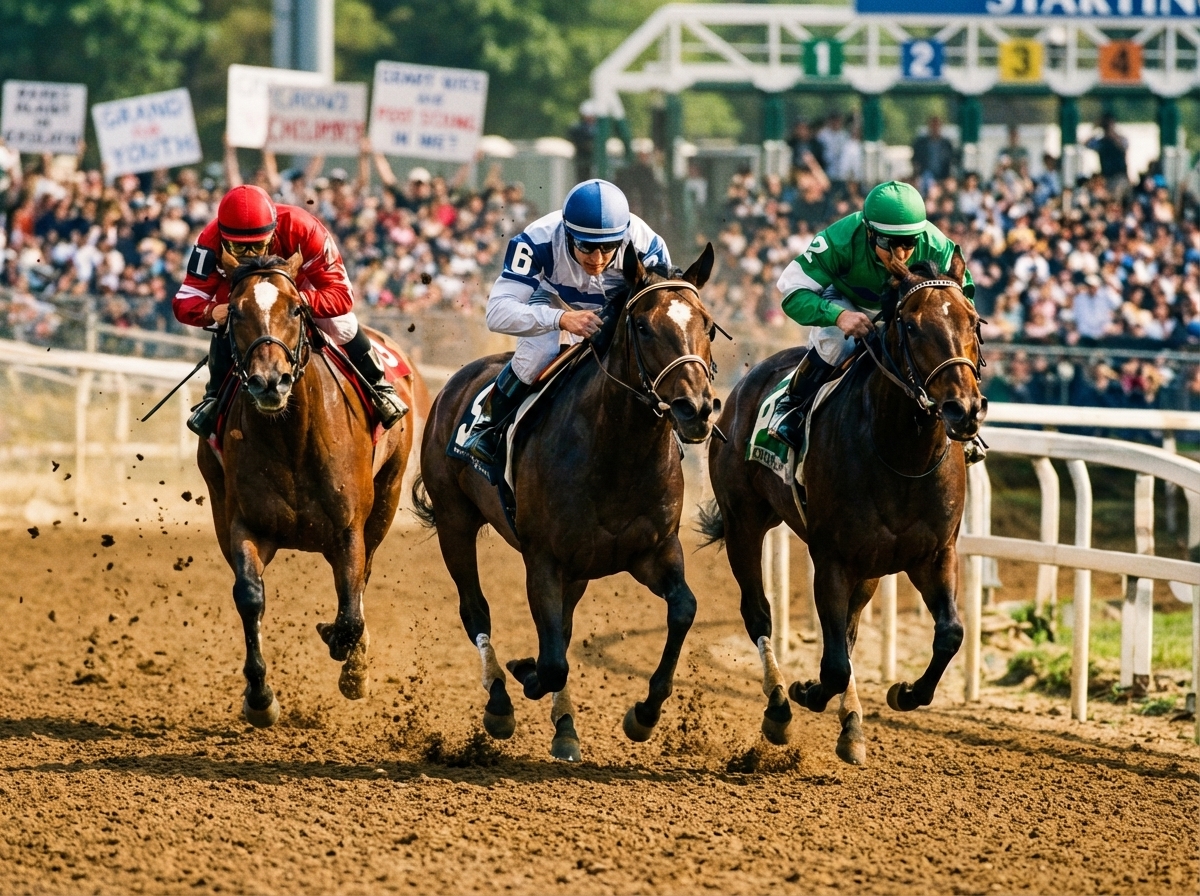
Having spotted false favorites, the next step is to translate those insights into strategic bets. Let’s dive into how you can leverage this knowledge for exacta success.
Positional Logic and Trip Notes
Positional logic helps assess how a race might unfold. It’s about understanding a horse’s preferred running style and how it fits today’s race. Use trip notes to identify horses that consistently find good positions, saving ground or making strategic moves.
A horse that gets trapped on the rail or consistently encounters traffic might not be as promising as its speed figures suggest. On the flip side, those that find ideal trips despite adversity often present excellent value.
When evaluating horses, note their adaptability. Can they handle different race shapes, or do they rely on specific conditions? A versatile horse with a good track record of overcoming trip challenges often holds an edge.
Exploiting Track Bias and Odds Drift
Track bias can turn favorites into false hopes. Some tracks favor speed; others reward late closers. Identifying these biases can help you see where the public might be misled. A speed-biased track might cause overbetting on front-runners, opening value on closers.
Odds drift is another key indicator. If a horse’s odds lengthen unexpectedly, consider the reasons: is it due to insider information or simply a shift in public perception? Use this drift to your advantage by backing overlooked contenders with solid credentials.
For instance, if a horse expected to lead drifts in odds while a known closer gets late support, the market might be indicating a pace setup favorable to the closer.
Trainer Intent and Probability-Driven Betting
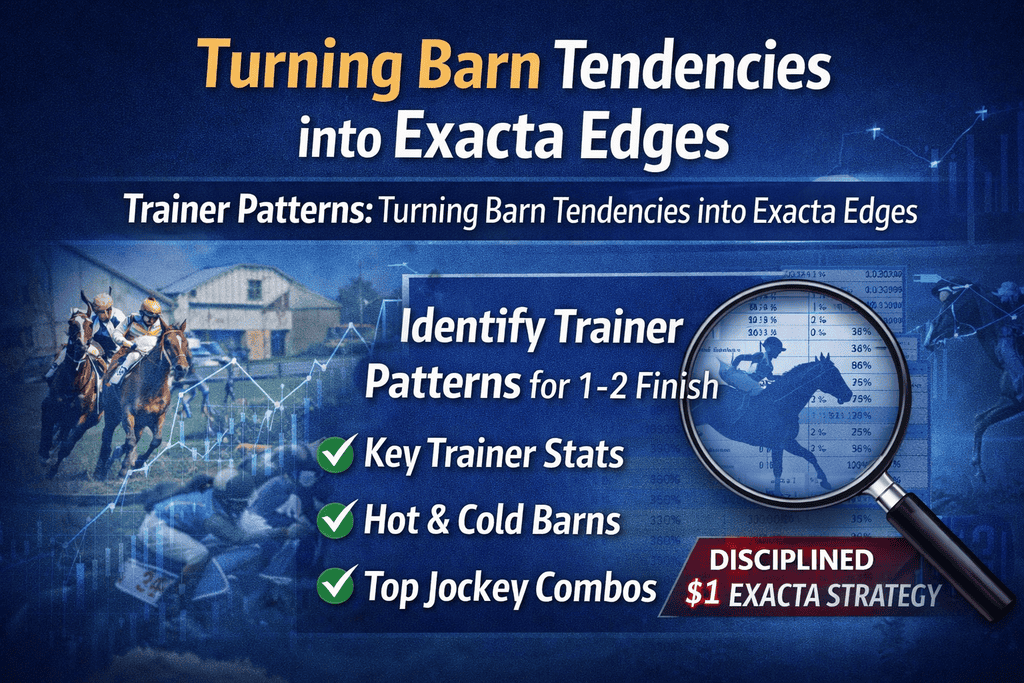
Trainer intent is a crucial factor often overlooked. Some trainers excel at targeting specific races or conditions. Watch for patterns: does a trainer perform well with horses coming off a layoff, or perhaps in specific class levels?
Probability-driven betting means weighing all factors: pace, class, trip, and trainer intent. It’s about making calculated decisions based on evidence, not emotion. Consider the trainer’s success rate with similar setups and adjust your bets accordingly.
A trainer known for skillfully placing horses can sway a race’s outcome. If a horse is in a favorable spot and the trainer has a high success rate under those conditions, it might be a hidden gem in the field.
Turning Insights into Exacta Value
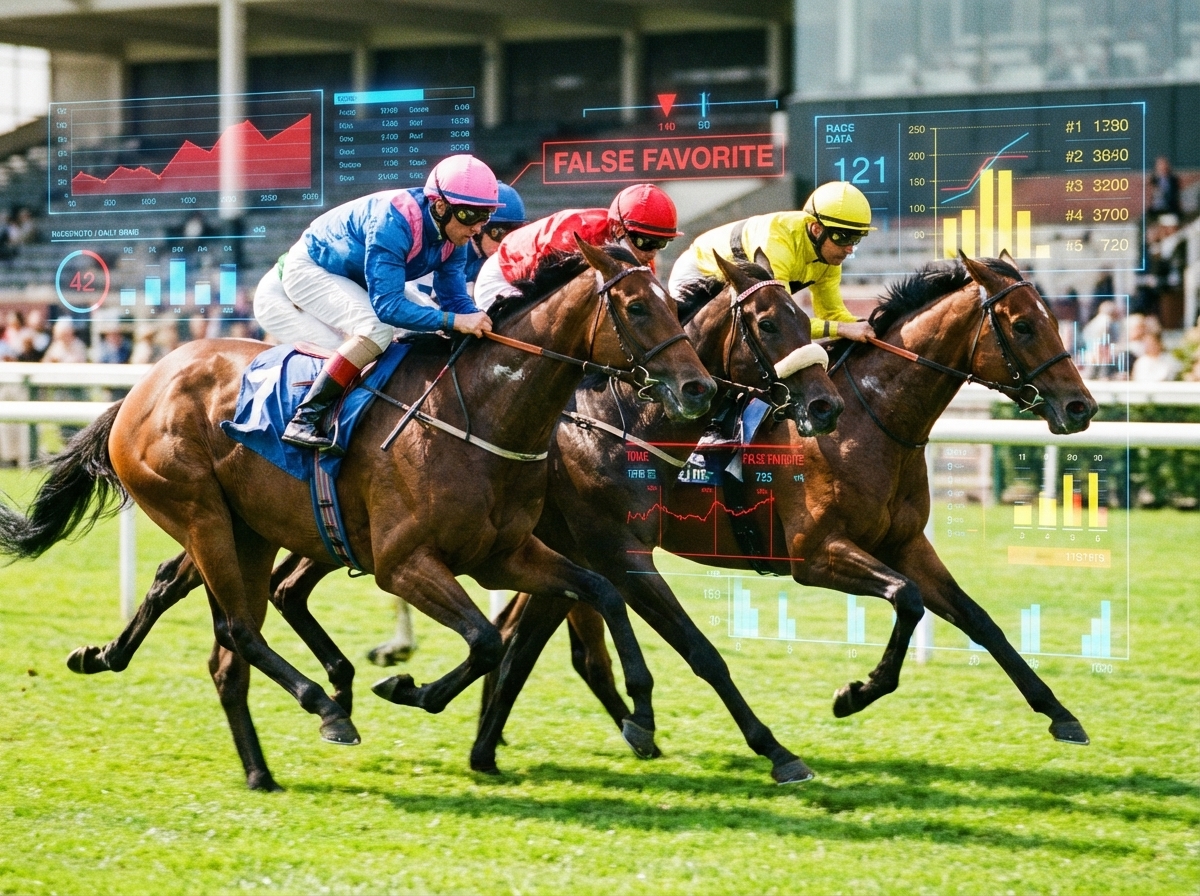
Now that you’ve identified and understood false favorites, it’s time to leverage this knowledge into precise exacta betting strategies that promise returns.
Battaglia’s Disciplined Top 4 Approach
Battaglia’s approach focuses on identifying the top 4 contenders with the highest probability of finishing in the top two spots. This method ensures structure and discipline, avoiding impulse bets. By focusing on a disciplined top 4, you stand a better chance of catching value exactas.
The key is consistency: regularly applying this approach across races increases the odds of hitting profitable exactas. It’s not about scoring every race but making the right picks when conditions align.
Remember, it’s a game of patience. Analyze each contender’s recent performances, adaptability, and trainer intent. This meticulous process turns insights into a structured plan that aligns with long-term profitability.
Oaklawn and Gulfstream Picks
Oaklawn and Gulfstream present unique challenges and opportunities. Understanding track-specific nuances can give you an edge. Some horses excel at Oaklawn’s surface, while others might find Gulfstream’s conditions more to their liking.
Incorporate these insights into your exacta strategy: tailor your approach based on each track’s characteristics. For example, Gulfstream often favors speed, so consider leveraging pace analysis more heavily in your picks there.
Keep track of recent trends and results to refine your strategy continually. Each track has its quirks, and recognizing these can significantly boost your betting outcomes.
Maximizing ROI with Exacta Boxes
Exacta boxes offer a way to maximize returns while managing risk. By boxing your top 4 selections, you cover various finishing orders, increasing your chances of a hit. This strategy balances cost and potential reward.
To optimize your ROI, focus on races where the public misjudges favorites, creating value opportunities. Avoid overbet horses and look for situations where potential overlays exist.
Remember, it’s about the long game. Consistent application of these strategies across multiple races will gradually improve your overall returns. Stay disciplined, and let the insights guide your exacta box choices.
By using these strategies, you’ll not only spot false favorites but also turn those insights into tangible betting success. Keep refining your approach, and enjoy the rewards of strategic, informed wagering.