How to Spot a False Favorite Before You Bet (and Protect Your Exacta ROI)
Most favorites aren’t what they seem. Public odds often inflate a horse’s chances without reflecting pace shape, class structure, or trainer intent. Spotting a false favorite before you bet can protect your exacta ROI and turn crowded races into value opportunities. In this post, you’ll learn a clear framework to read vulnerable favorites and convert that edge into disciplined $1 exacta boxes across tracks like Oaklawn and Saratoga. For more insights on identifying false favorites, check out this resource.
Spotting a False Favorite

Before placing a bet, it’s crucial to identify false favorites that the crowd might overvalue. This recognition can set the stage for smarter betting.
Understanding Pace Shape
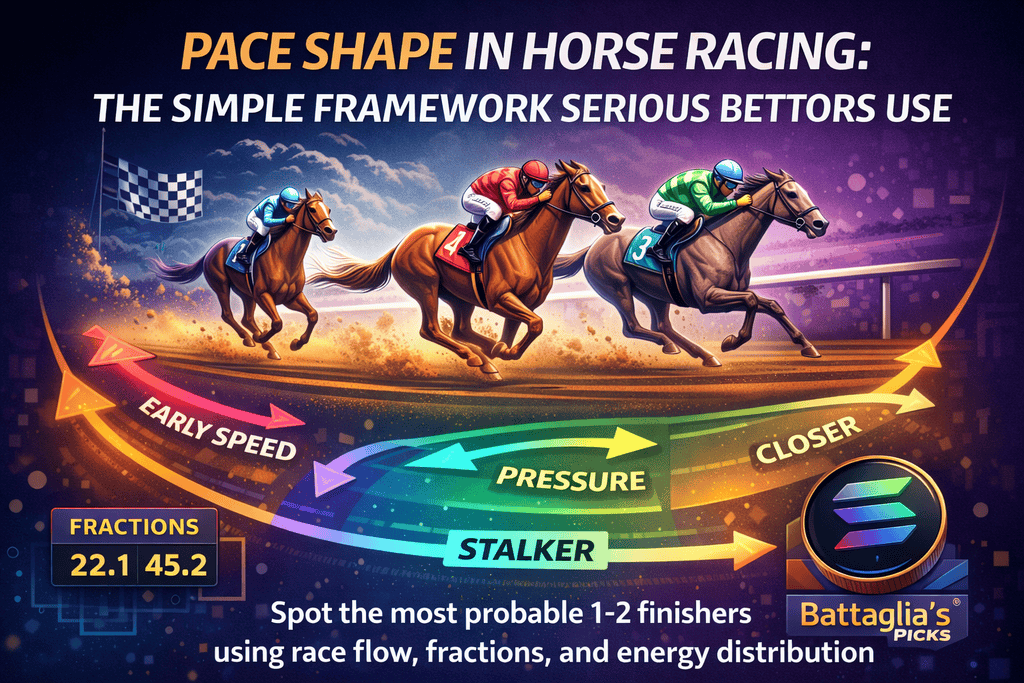
Pace shape can tell you a lot about a race. It’s the rhythm of the race, showing how fast or slow the horses are moving at different stages. A horse might look good on paper, but if it’s a front-runner with lots of competition, it might struggle to maintain speed. Conversely, a horse that thrives in fast-paced races can capitalize when others tire. Understanding these dynamics helps you see beyond the numbers. If you’re interested in learning more about this, here’s a practical guide.
Analyzing Class Structure
Class structure is like a league system in sports. Horses race against others of similar ability. A horse stepping up in class might find the competition tougher, while one dropping in class might dominate. Evaluating a horse’s past performances within its class can reveal if it’s out of its depth or ready to shine. Look for horses that consistently perform well in their class as they are more reliable.
Evaluating Positional Logic
Positional logic involves where a horse prefers to run during a race. Does it take the lead early? Does it hang back and make a late run? Knowing a horse’s preferred position can help you anticipate its performance. If a horse that usually leads faces others with similar styles, it might struggle to maintain its pace. Conversely, a horse with a strong finish might excel in races with fast early paces that tire the leaders.
Enhancing Your Exacta Strategy
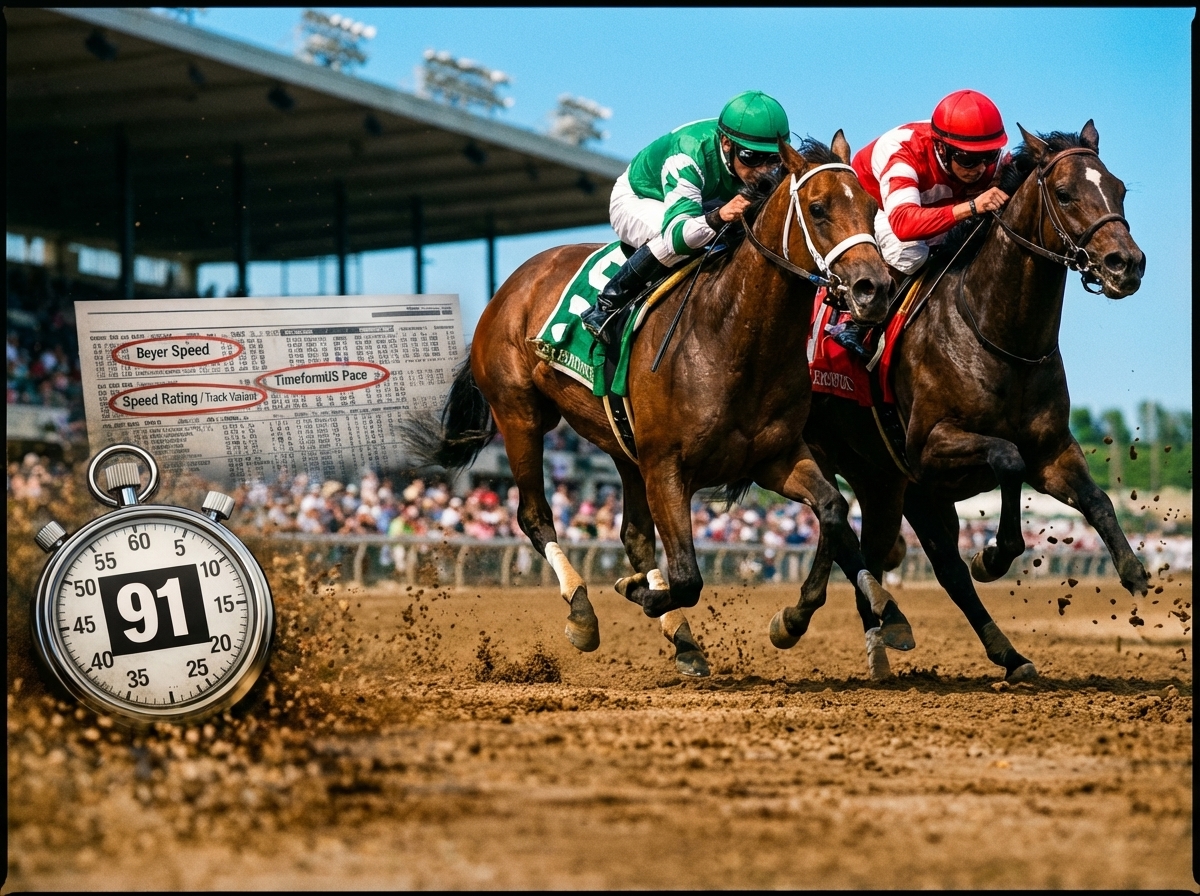
Once you’ve identified a false favorite, you can refine your exacta strategy. This involves a disciplined approach to betting on the top two finishers.
Identifying Vulnerable Favorites
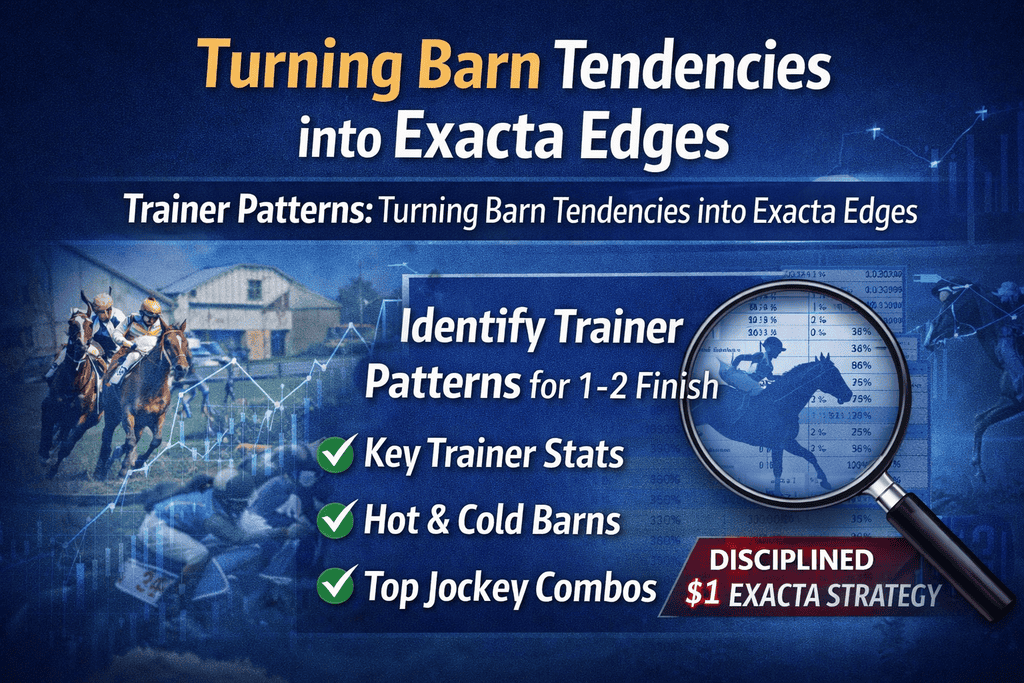
Spotting vulnerable favorites is key to finding value. Watch for horses with inflated reputations, often due to past performance on different surfaces or distances. A horse that excelled on turf might struggle on dirt. Also, consider trainer intent. A horse entered in a lower-level race after consistently competing at higher levels might signal a lack of confidence from the trainer. For more insights, read this article.
Leveraging AI Handicapping Tools
AI tools can provide an edge by analyzing data faster and more accurately than humans. They can assess pace shape, class structure, and positional logic, offering a comprehensive view of the race. While human intuition is valuable, combining it with AI insights can enhance decision-making. Remember, AI doesn’t replace your judgment; it augments it.
Applying Disciplined $1 Exacta Boxes
With insights in hand, applying a disciplined approach to exacta boxes can produce consistent results. Focus on picking the top two finishers, not just the winner. By boxing your selections, you cover different finish combinations. This method, when applied with precision and patience, can yield profitable results over time.
Key Factors for Value Betting
Value betting requires recognizing opportunities others might miss. It’s about seeing beyond the surface and understanding deeper trends.
Recognizing Public Odds Bias
Public odds can be misleading. They often reflect popularity rather than performance. A horse with a famous trainer or jockey might have shorter odds, even if its recent performance doesn’t justify it. Betting against public bias can uncover hidden value. For more on this concept, visit this link.
Utilizing Track Bias and Trip Notes
Track bias refers to how a track favors certain running styles or positions. Some tracks might favor front-runners, while others suit late closers. Keeping detailed trip notes on how horses perform on different tracks and conditions can give you an edge. By understanding these nuances, you can better anticipate how a race will unfold.
Incorporating Speed Figures and Market Behavior
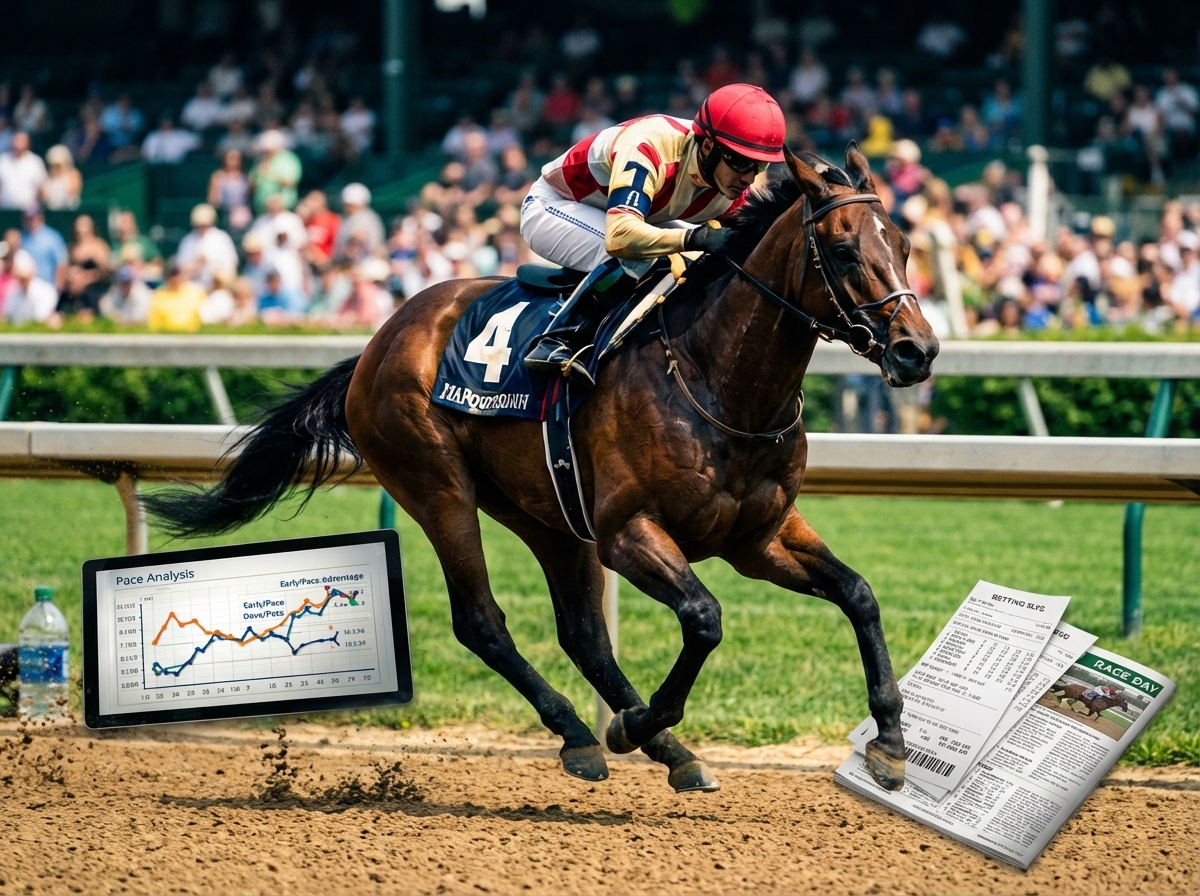
Speed figures indicate how fast a horse ran in its previous races, adjusted for track conditions. While useful, they don’t tell the whole story. Market behavior, including betting patterns and odds changes, can reveal hidden insights. A sudden odds drop might indicate insider confidence. By combining speed figures with market analysis, you can make more informed bets.
In conclusion, spotting false favorites requires a keen eye and a disciplined approach. By understanding pace shape, class structure, positional logic, and leveraging modern tools, you can enhance your betting strategy. Always look for value and let disciplined exacta strategies guide your decisions. For more strategies and tips, explore this resource.