How to Spot a False Favorite: Pace, Class, and Positional Tells
Public money often inflates morning line favorites, masking hidden risks you can’t see at first glance. Spotting a false favorite means reading pace shape, class structure, and positional logic like a pro. Master these tells, and your exacta strategy will shift from guesswork to smart value betting. Ready to sharpen your edge? Check out this guide on identifying false favorites here.
Understanding False Favorites
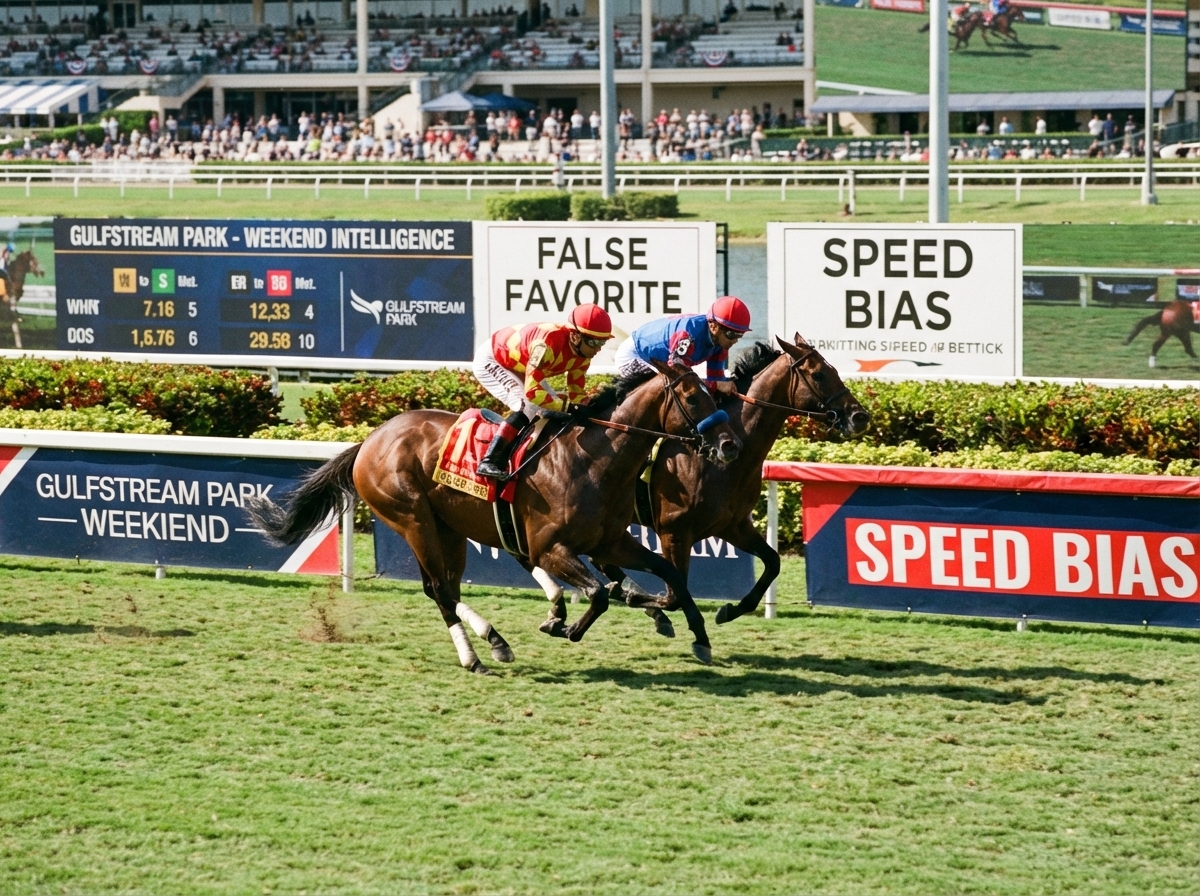
Let’s dig into the art of spotting a false favorite. This skill can be the key to making smarter bets and avoiding common pitfalls.
Recognizing Pace Shape
Pace shape is crucial in understanding race dynamics. It tells you how a race might unfold, based on the speed of the horses involved. Start by watching how the early speed horses line up. If a favorite is surrounded by other fast starters, it may struggle to maintain its pace.
Think about it: a horse that thrives when leading could falter if it faces unexpected pressure. Observe past performances for clues. Has the horse maintained its speed under similar conditions? If not, it might be a false favorite ripe for betting against. For more insights on pace shape, you might find this resource useful.
Evaluating Class Structure
Class structure reveals a horse’s true competitiveness. Analyze if the horse has consistently performed well in similar or stronger fields. A drop in class might indicate a horse struggling to compete. But beware: a class hike can mean a horse was previously underperforming.
By checking class levels in past races, you can determine if a favorite is truly worthy. Horses stepping up in class need extra scrutiny. They might be overbet due to past wins against weaker competition. This guide offers a deeper dive into class structure evaluation.
Positional Logic Insights
Positional logic refers to a horse’s typical running style and how it fits into the race setup. Some horses perform best when leading, while others excel from behind. Understanding this can help you spot vulnerabilities.
Consider track conditions, too. A horse that struggles in muddy conditions but draws a wet track may not live up to its favored status. Assessing positional logic helps identify if a favorite is in a compromising spot. For more on positional logic, this analysis is informative.
Improving Exacta Strategy

With a solid understanding of false favorites, let’s shift focus to enhancing your exacta strategy. This approach involves precise evaluation and strategic adjustments.
Identifying Overlays and Underlays
An overlay is a horse that offers more value than its odds suggest. Conversely, an underlay is overvalued by the public. Recognizing these can boost your exacta bets.
Start by comparing your odds with public odds. If you find a horse whose chances are better than the odds imply, you’ve identified an overlay. This article explains how identifying overlays and underlays can enhance your strategy.
Analyzing Track Bias and Public Money
Track bias can heavily influence race outcomes. A track that favors front-runners or closers can change the dynamics. Couple this with the influence of public money, and you have a complex puzzle.
Study recent races at your chosen track. Notice patterns in how the races are run. Is there a bias towards early speed? Knowledge of track bias, combined with understanding public betting patterns, can lead you to smarter exacta choices.
Race Shape and Form Cycle Analysis
Examining race shape involves looking at how the race will likely unfold based on the lineup. Form cycle analysis assesses a horse’s recent performance trend, which can indicate readiness or decline.
Observe horses that might be on an upswing or those coming off a peak. A horse in poor form is less likely to perform well, even if favored. This deeper understanding of race shape and form cycles can guide you in structuring your bets.
Tools for Successful Betting

Now, let’s discuss tools to refine your betting approach. These can add precision and depth to your strategy.
AI Handicapping and Speed Figures
AI handicapping tools can process vast amounts of data, offering insights that might elude human analysis. Speed figures provide a snapshot of a horse’s performance, adjusted for conditions.
Leverage these tools to enhance your understanding of races. Speed figures, when combined with AI insights, can offer a powerful edge. Using AI handicapping can transform your approach.
Reading Trainer Patterns and Trip Notes
Understanding trainer patterns can reveal strategies. Some trainers excel in specific conditions or have favorites for certain tracks. Trip notes provide details on past races, uncovering hidden factors like troubled starts or strong finishes.
By keeping detailed notes and understanding trainer tendencies, you can better predict outcomes. These insights are crucial for making informed decisions.
Value Betting and Exacta Box Techniques
Value betting focuses on finding bets that offer more value than the odds suggest. Exacta box techniques allow you to cover multiple combinations, increasing your chances of a win.
Practice value betting by identifying horses with underestimated odds. Experiment with exacta boxes to protect against unexpected results. These techniques, when mastered, can boost your overall betting success.