Pace Over Speed: Why Race Shape Beats Raw Figures for Exacta Players
Raw speed figures alone won’t cut it when you’re chasing exacta profits. Race shape—how pace dynamics, pressure, and positional logic unfold—tells you who’s really set to finish 1–2. If you rely on raw speed versus pace without context, you’re missing the critical edge that separates smart bettors from hopeful guessers. Stick around to learn how to read pace like a pro, spot false favorites, and improve your exacta strategy with proven steps. For more insights, check out this discussion on race shape.
Understanding Race Shape
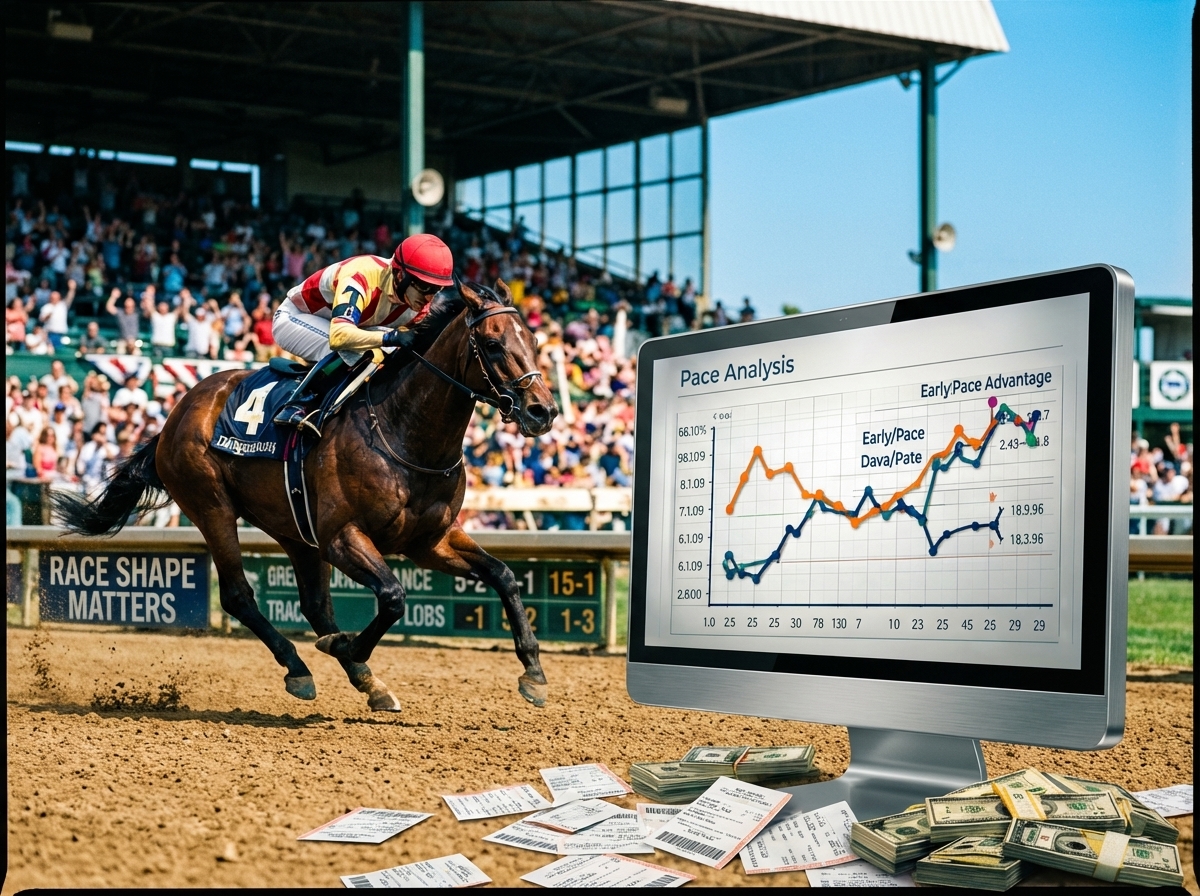
To excel in exacta betting, understanding race shape is crucial. It’s not just about how fast a horse runs but how the entire race unfolds. This involves pace dynamics and pressure, as well as positional logic.
Pace Dynamics and Pressure
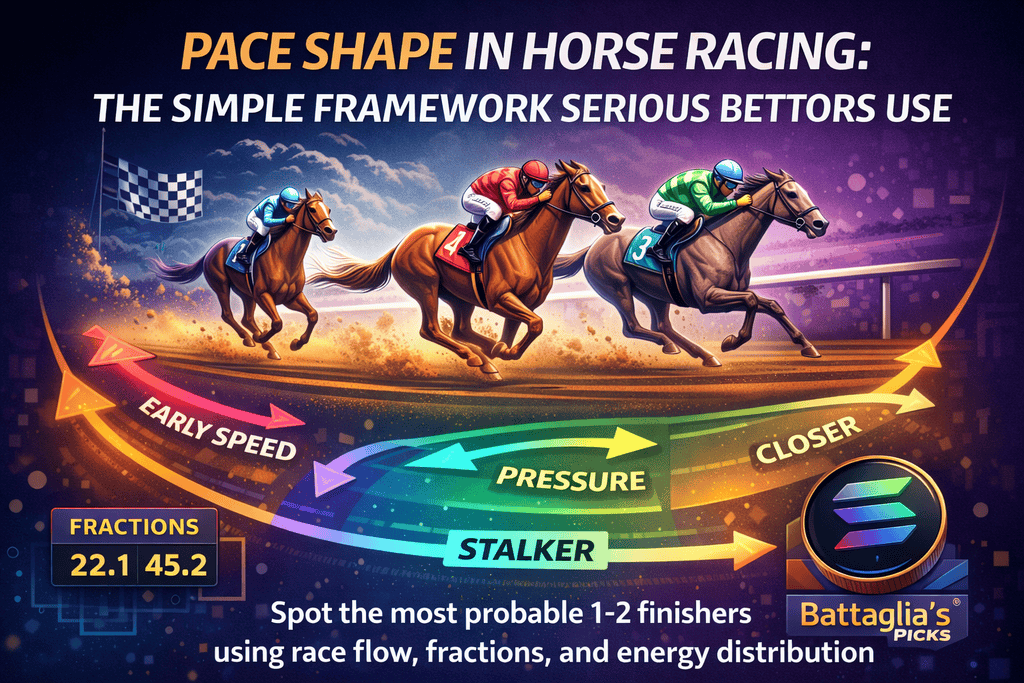
Pace dynamics shape the race from start to finish. Horses don’t just run in a straight line; their speed and positioning change based on the pressure they face. If a race has multiple front-runners, the pressure can cause a pace meltdown, leaving room for closers to take over. Imagine two horses battling for the lead, each pushing the other to go faster. This scenario often sets up perfectly for a horse sitting off the pace to swoop in and claim victory.
But what if there’s only one speedy horse with no challengers? In this case, known as “lone speed,” that horse can control the race tempo, making it hard for others to catch up. Understanding these setups gives you an edge in predicting which horses are genuinely competitive. Want to dive deeper? Check out this guide on pace dynamics.
Positional Logic Explained
Positional logic deals with where horses are during different stages of the race. Some horses prefer to lead from the front, while others excel by coming from behind. The race’s shape can either favor or hinder these preferences. For instance, a horse that usually trails might struggle if the pace is slow, as they won’t have the speed to catch up. Alternatively, a fast pace can benefit them by tiring out the leaders.
The key is to assess how each horse’s preferred running style fits into the expected race shape. A balanced race with a mix of front-runners and closers can provide numerous betting opportunities. Understanding this dynamic helps you identify potential winners and false favorites. For more insights, read this reddit discussion on speed, class, and pace.
Practical Pace Reading Steps
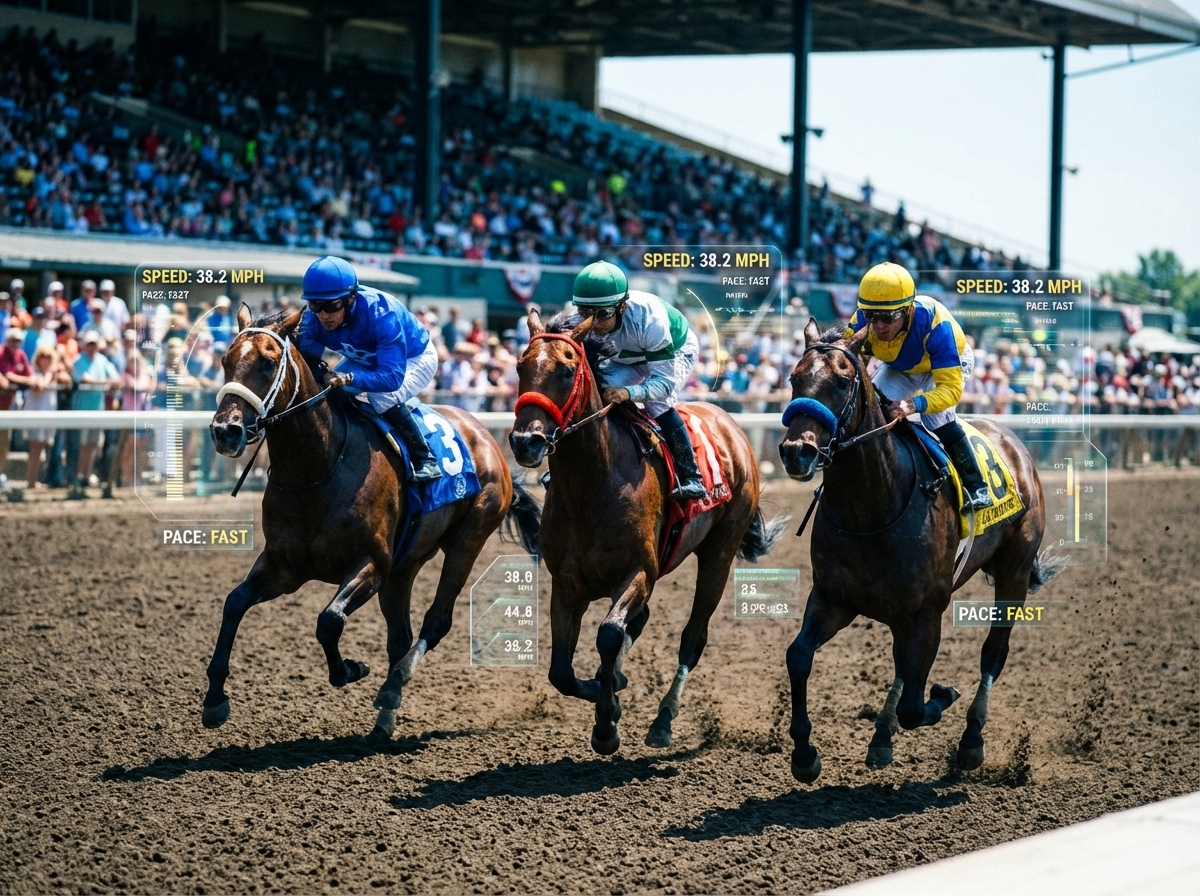
Once you grasp the fundamentals of race shape, you can apply this knowledge to read pace effectively and spot valuable betting opportunities.
Spotting False Favorites
False favorites often arise when the public overestimates a horse based on raw speed figures without considering race shape. A horse may have a high speed figure but falters when faced with a specific pace setup. For example, a horse leading a slow-paced race might have an inflated speed figure. However, if the next race promises a fast pace with more competition, that figure becomes misleading.
To spot false favorites, compare a horse’s past performances against its competition’s pace profiles. Look for scenarios where a horse’s speed shines against lesser opponents but falls short when the pace intensifies. Most people bet on these inflated figures. But you know better. Keep your eye on pace pressure and positional logic to avoid these pitfalls.
Identifying Overlays and Class Structure
An overlay occurs when a horse’s odds are higher than its actual winning chance, often due to public misinterpretation. By understanding class structure and race shape, you can pinpoint these opportunities. Look at horses stepping up or down in class. A horse moving up might seem less competitive at first glance. However, if its running style suits the expected pace, it might outperform expectations.
Similarly, a class drop could indicate a favorable scenario if the horse has shown promise against stronger fields. Observing these shifts in class, combined with pace dynamics, can reveal overlays that others overlook. For more on determining overlays, explore this article on handicapping factors.
Strategic Exacta Betting
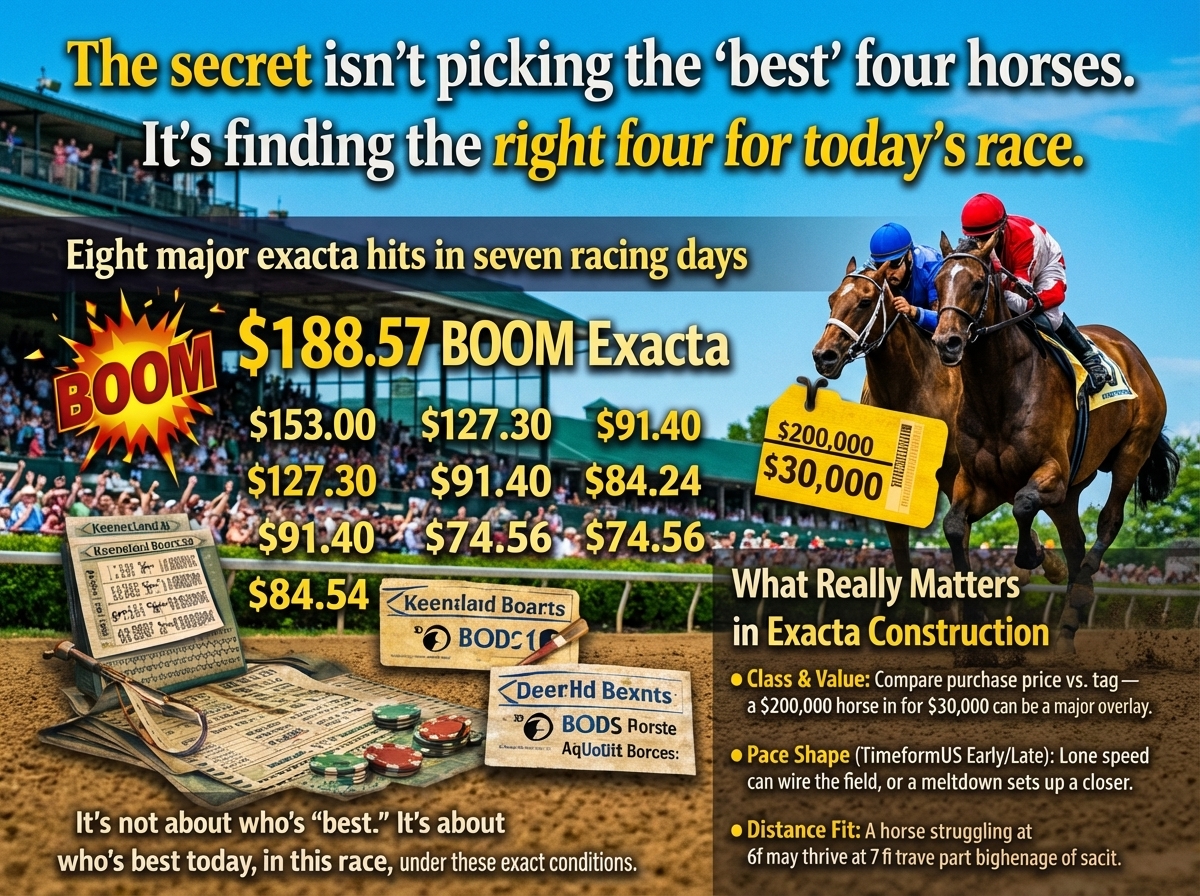
Integrating an understanding of race shape into your betting strategy can significantly improve your exacta outcomes.
Probability-Driven $1 Exacta Box
A $1 exacta box involves selecting two or more horses and betting they will finish first and second, in any order. To make this strategy effective, rely on probability. Combine horses that thrive under the projected pace scenario. Suppose the race is likely to have a fast pace. In that case, consider boxing a mix of closers with a strong mid-pack performer. This approach increases your chances of hitting the exacta when the pace scenario unfolds as expected.
By focusing on probability and race shape rather than mere speed figures, your exacta bets become more calculated and less reliant on luck. This disciplined method mirrors the strategies used by successful bettors at major tracks like Aqueduct and Gulfstream Park.
Long-term ROI with Pace Projector
To ensure long-term success, incorporate a pace projector into your betting process. This tool helps visualize how a race might unfold by factoring in each horse’s historical pace patterns. It allows you to identify potential pace setters, stalkers, and closers at a glance. When used consistently, a pace projector aids in making informed decisions that enhance your return on investment (ROI) over time.
By aligning your bets with projected pace scenarios, you make smarter choices that lead to profitable outcomes. This method stands as a testament to the power of combining experience with analytical tools. For additional insights, consider this discussion on speed figures.
By understanding race shape, you gain an edge over those who rely solely on speed figures. This knowledge, when applied to exacta betting, offers a clear path to improving your betting strategy and increasing your chances of success. Stick with it, and watch your betting approach transform into a more structured, profitable venture.