Spotting False Favorites: A Practical Guide for Exacta Players
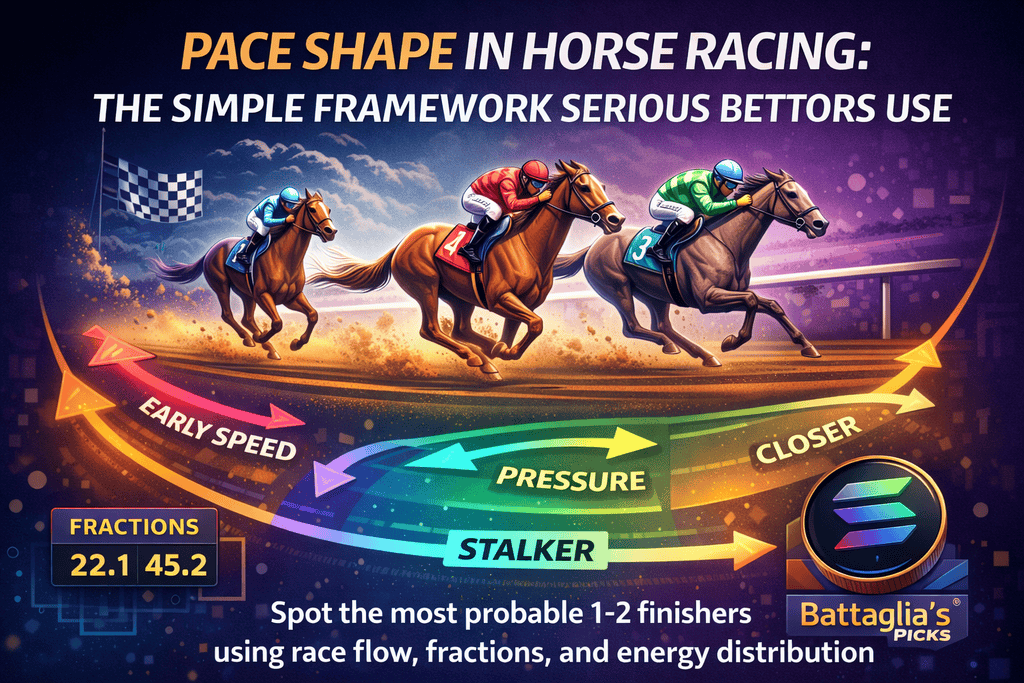
Most favorites don’t win their exacta spots despite the morning line and public odds suggesting otherwise. You’ve seen your bankroll shrink chasing those overbet horses labeled as “can’t miss” picks. Spotting a false favorite isn’t guesswork; it comes down to pace shape, class structure, and positional logic. This guide breaks down a clear process that helps you avoid costly underlays and sharpen your exacta strategy for long-term gains. For more insights, check out this guide on false favorites.
Understanding Pace Shape and Pressure
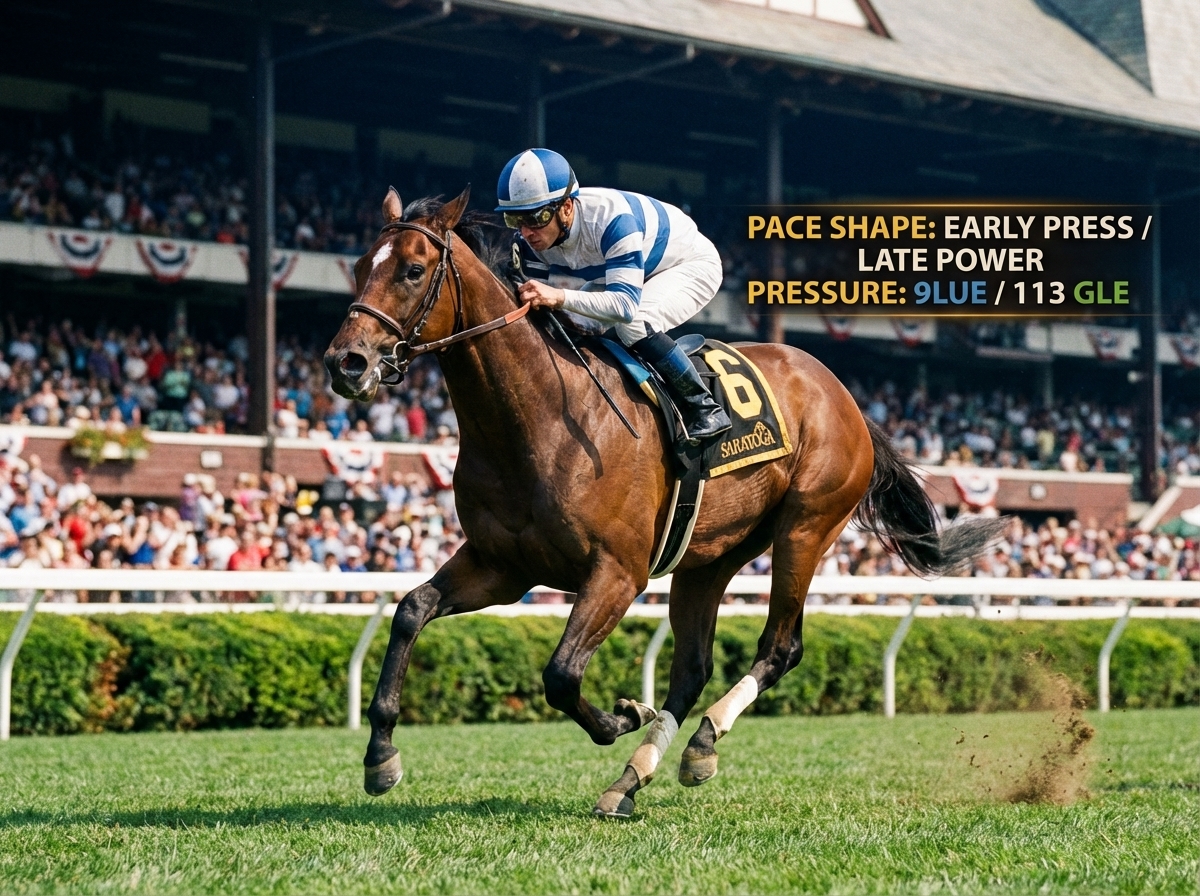
Grasping the pace shape is crucial in identifying false favorites. Let’s explore how pace scenarios reveal insights into a horse’s potential.
Analyzing Pace Scenarios
Pace scenarios tell you how a race might unfold. A fast early pace might favor closers, while a slow one benefits front-runners. By evaluating past performances, you can predict which horses are likely to exert pressure and which will conserve energy. Look for horses that have thrived in similar scenarios before. A strong pace can expose a false favorite’s weaknesses, especially if they’re known to fade under pressure.
Consider a race at Gulfstream Park. If the early pace is set to be blazing, a horse that prefers leading might struggle. Instead, a closer with a strong finish can exploit this, making them a better exacta choice. Observing how pace scenarios play out is a key step in refining your betting strategy.
Recognizing Track Bias and Trip Notes
Track bias can drastically affect race outcomes. Some tracks favor speed, while others benefit those coming from behind. Keeping track notes lets you see patterns over time. For instance, a wet track might favor certain horses that handle mud better than others.
Take Fair Grounds as an example. On certain days, inside lanes might be favorable, giving an edge to horses starting from those positions. Trip notes help reveal these subtleties, allowing you to adjust your bets. Recognizing how track conditions and biases impact performance helps you avoid overbetting favorites that might not suit the day’s conditions.
Interpreting Speed Figures
Speed figures offer a snapshot of a horse’s capabilities. They adjust for track conditions and distances, providing a level playing field for comparisons. However, they don’t tell the whole story. Two horses can have similar figures but differ in how they achieve them.
For example, at Keeneland, a horse might have a high figure from leading throughout, while another might achieve it by closing strongly. Understanding these nuances helps you discern if a favorite’s figure is inflated or genuine. By focusing on how figures are earned, you gain insights into a horse’s true potential.
Dissecting Class Structure and Positional Logic
Now, let’s dive into class structure and positional logic. These elements are vital in evaluating a horse’s true competitive edge.
Identifying Class Drops and Rises
Class changes can signal a horse’s potential. A drop might suggest they’re seeking easier competition, while a rise indicates confidence from connections. Pay attention to how horses perform in class transitions. A horse dropping from Aqueduct stakes to allowance races might dominate, revealing a live exacta contender.
Class drops can also expose false favorites. A horse consistently losing at higher levels might not be a standout even with a class drop. By identifying these moves, you gain an edge in spotting true contenders versus misleading favorites.
Utilizing Positional Logic in Handicapping
Positional logic refers to a horse’s running style and its impact on race outcomes. Front-runners, stalkers, and closers each have their strengths. By assessing a race’s lineup, you can predict how these styles clash.
At Churchill Downs, a race with multiple speed horses might set up perfectly for a stalker. Positional logic helps you foresee these setups, allowing you to spot where favorites might falter. Knowing when to back a closer or a stalker gives you an advantage in exacta wagers.
Evaluating Morning Line vs. Public Odds
Morning line odds provide an initial assessment, but public betting can shift them dramatically. A horse opening as a favorite might drift if bettors sense vulnerabilities. Watch these shifts closely.
At Oaklawn Park, a favorite with declining odds might signal a lack of confidence from informed bettors. Evaluating these odds helps you recognize when a favorite is overvalued, directing you to better-value alternatives. By understanding these odds dynamics, you avoid underlays and enhance your betting returns.
Mastering Value Betting and Exacta Strategy
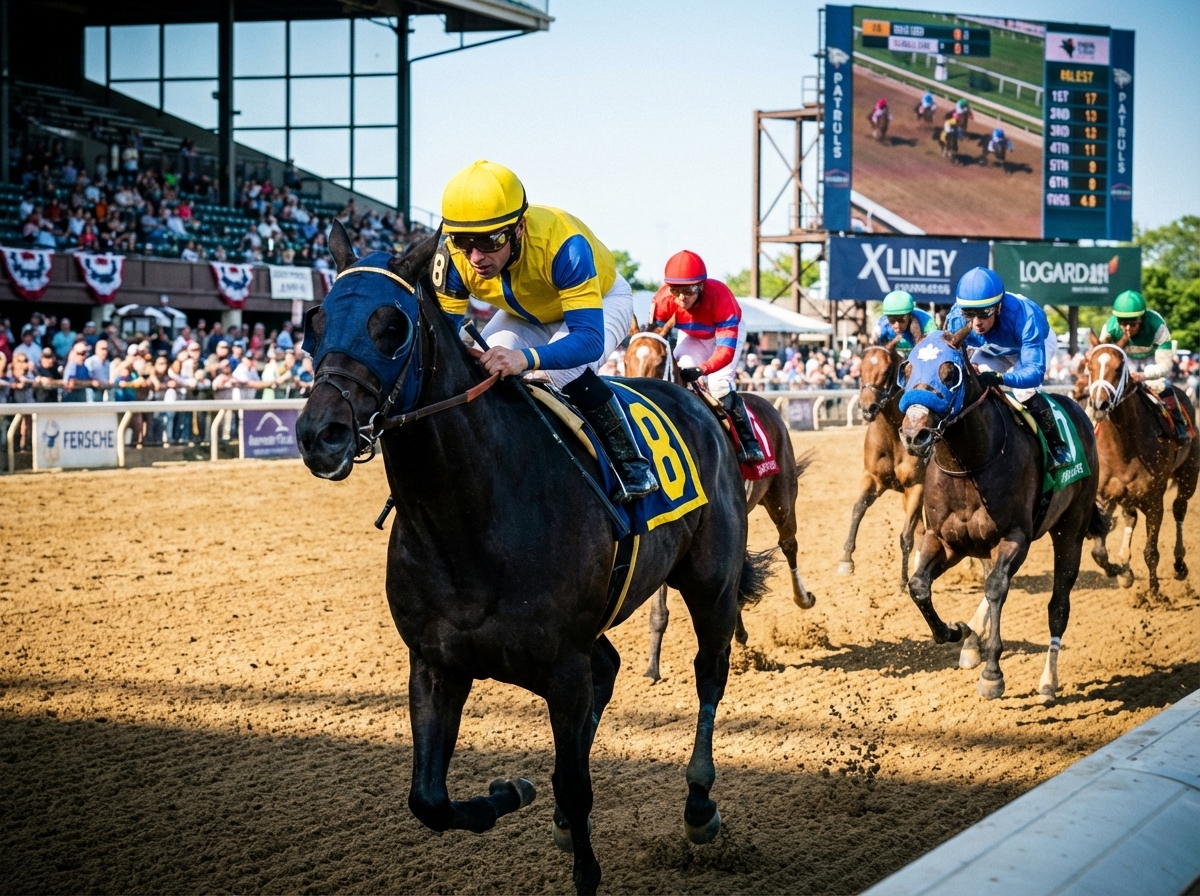
It’s time to refine your exacta strategy through value betting and strategic insights.
Spotting Underlays and Overlays
Underlays are horses bet below their true value, while overlays offer more value than the odds suggest. Recognizing these helps you identify profitable bets. A favorite at Saratoga with short odds might be an underlay, while a second-choice horse with rising odds might be an overlay.
Focus on horses that consistently outperform their odds. By identifying overlays, you position yourself to capitalize on mispriced bets. This approach enhances your chances of hitting lucrative exactas.
Implementing a Winning Exacta Strategy
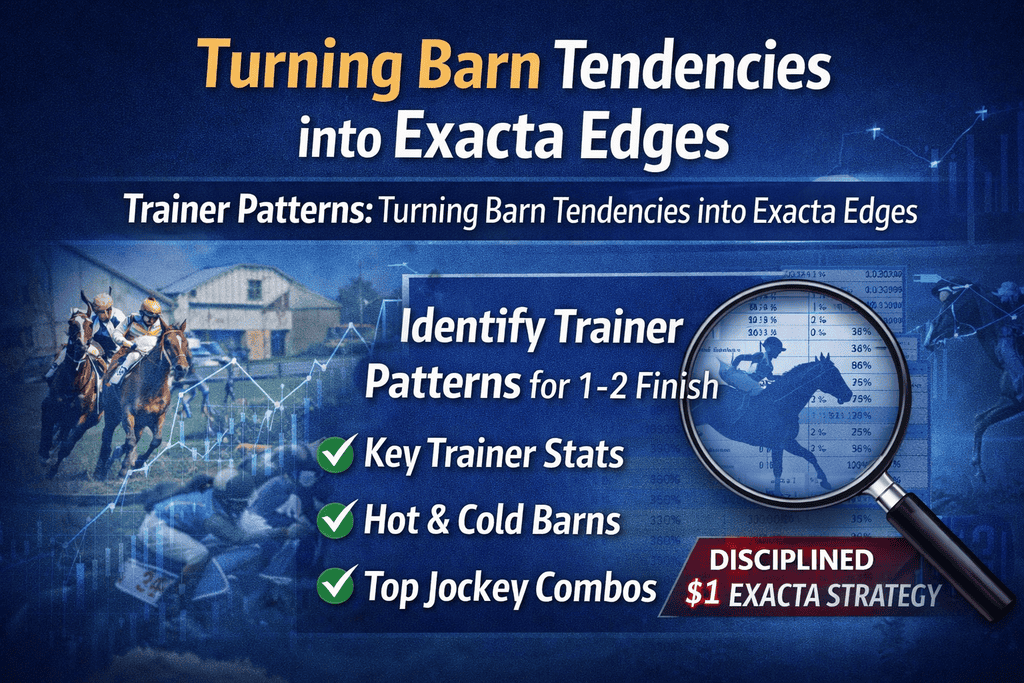
A structured strategy is key to exacta success. Begin by selecting a pool of likely contenders. Use the insights from pace shape, class, and odds to refine this pool. Position your bets around these selections.
Consider boxing a few horses to cover multiple scenarios. At Aqueduct, an exacta box with three prime contenders can maximize your chances in a competitive field. With a clear strategy, you avoid scattershot betting and enhance your potential for profit.
Enhancing ROI with Strategic Betting
Your return on investment (ROI) improves when you bet strategically. Focus on quality over quantity, placing wagers only when you see value. By honing in on select races at Gulfstream Park or Saratoga, you avoid spreading your bankroll thin.
Track your bets, analyze outcomes, and adjust your strategy over time. Consistent evaluation and refinement lead to sustained success. Remember, the goal is long-term gains, not short-term excitement.
In conclusion, mastering the art of spotting false favorites and implementing a disciplined exacta strategy can transform your betting journey. Embrace the insights shared here, and you’ll be well on your way to achieving greater success in the dynamic world of horse racing.