Pace Shape and Class Structure: The Engine Behind Profitable Exactas
Most bettors chase flashy longshots or rely on gut feelings. That approach leaves money on the table in exacta betting. The secret lies in mastering pace shape and class structure to spot who’s set to finish 1-2. This post breaks down how to read these key factors and use them with a disciplined $1 exacta box strategy powered by Battaglia’s Picks. Ready to sharpen your edge and cut through the noise? Check out this resource for more insights.
Understanding Pace Shape and Class Structure
To succeed in exacta betting, understanding how pace shape and class structure influence race outcomes is crucial. Let’s explore these two key concepts.
Decoding Pace Shape in Racing
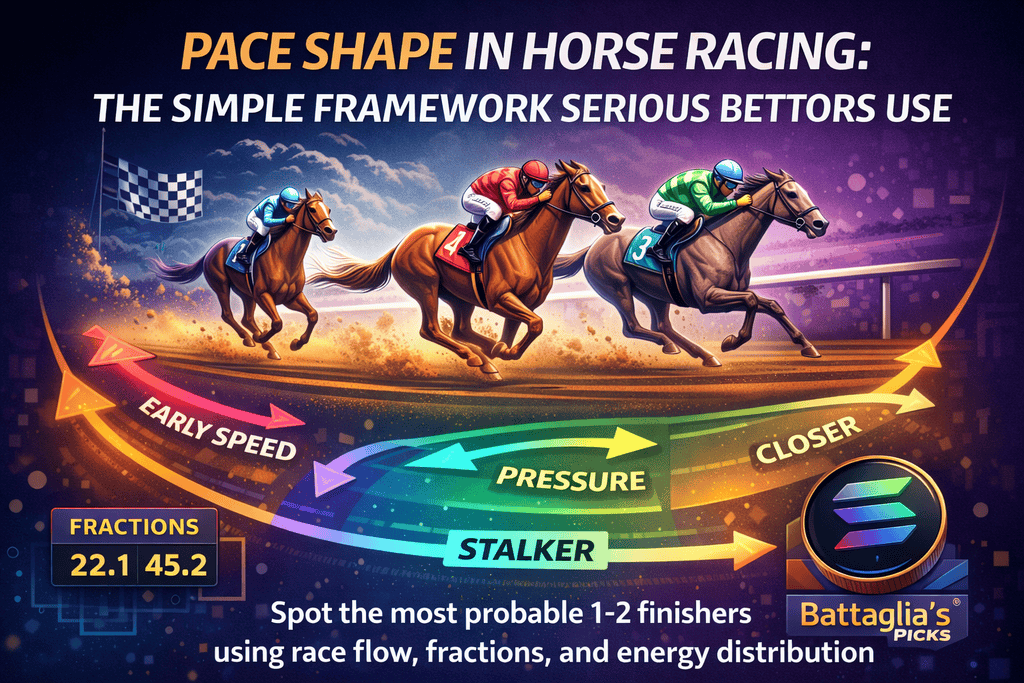
Pace shape determines how a race unfolds. It’s the tempo set by the leading horses. You want to know if they’ll start fast or slow. The early pace influences which horses sustain speed or fade later.
For instance, a fast start (a “pace meltdown”) can tire out front-runners, setting up closers to shine. On the other hand, a slow start might let leaders conserve energy for a strong finish. Recognizing these scenarios lets you predict outcomes better. Check out this discussion on pace handicapping for more insights.
Analyzing Class Structure for Exactas
Class in horse racing defines the competition level. Horses moving up in class face tougher opponents, while those dropping might find an easier race. This can shift betting strategies.
Imagine a horse dropping in class (a “class relief”). It might have struggled against tougher fields but can dominate weaker ones. Conversely, a class rise suggests a horse is stepping up, possibly outclassed by stronger contenders. Knowing these dynamics helps identify strong bets.
Linking Pace and Class to Exacta Success
Combining pace shape and class insights is key to exacta success. When you see a pace meltdown paired with a class drop, that’s a potential goldmine.
You’ll find exacta combinations where class droppers benefit from a tiring front group. Or spot when a frontrunner, facing weaker class, can sustain its lead. With practice, these insights become second nature, enhancing your betting strategy.
Practical Exacta Strategies with Battaglia’s Insights

Now that you grasp pace and class, it’s time to apply these insights to exacta strategies. Let’s dive into practical tips from Battaglia’s Picks.
Reading Pace and Class for Betting
First, assess each horse’s last performance for pace and class. Look at pace figures to see how speed holds up throughout the race. Are they consistently fast or do they tire quickly? This tells you who to back in an exacta bet.
Next, evaluate class changes. Look for horses dropping into easier races or stepping up to tougher fields. A class dropper paired with positive pace figures is a strong exacta contender. Don’t just follow public opinion; apply your insights for better bets.
Implementing the $1 Exacta Box Approach
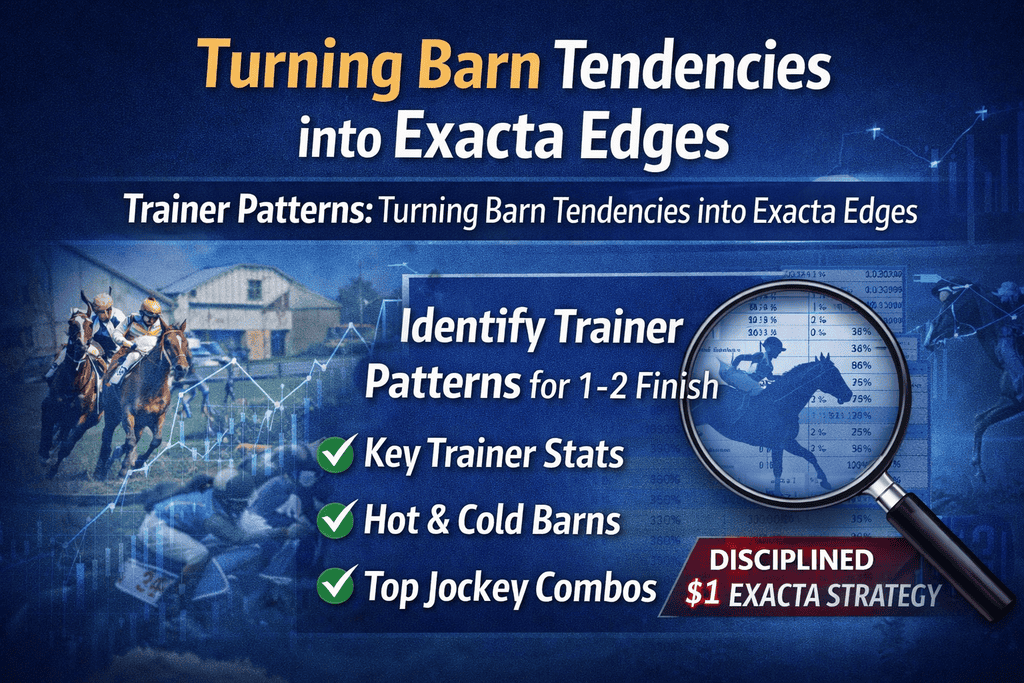
The $1 exacta box is a disciplined strategy. It involves selecting a few horses to finish first and second in any order. The key is picking horses with complementary pace shapes and class advantages.
Start by identifying four contenders. Consider their pace and class dynamics. Then, box these selections, allowing for flexible finishes. This approach maximizes potential payoffs while minimizing risk. Consistency is your ally here.
Using AI-Assisted Handicapping Tools
AI tools can elevate your betting game. They analyze vast data, offering insights you might miss. For example, AI can spot hidden pace pressures or subtle class changes, giving you an edge.
Integrate these tools with your strategies. Use them to confirm your picks or highlight overlooked contenders. Remember, the goal is to enhance your instincts, not replace them.
Mastering Multi-Track Coverage for Exacta Betting
With a firm grasp on pace and class, let’s explore how you can apply this knowledge across multiple tracks for even greater success.
Key Picks at Major Racing Tracks
Every track has unique characteristics. Whether it’s Aqueduct’s long stretches or Saratoga’s tight turns, understanding these nuances is vital. Tailor your exacta strategies to each track’s quirks.
For example, at Churchill Downs, a horse comfortable with pace pressure might thrive, while at Keeneland, class advantages could be more pronounced. Utilize track-specific insights for better picks.
Adapting to Track Bias and Conditions
Track conditions change, affecting race dynamics. Wet tracks might slow frontrunners, while dry conditions favor speed. Adjust your strategies to match these shifts.
Recognize when a track bias develops. If inside lanes dominate, for example, prioritize horses that excel there. This adaptability keeps you ahead of the game.
Building Confidence with Disciplined Betting
Confidence comes from understanding and discipline. Stick to your strategies, trusting the insights you’ve gained. Avoid impulse bets; they often lead to losses.
Remember, disciplined betting isn’t about hitting every time. It’s about consistent, informed decisions that yield long-term success. By mastering pace, class, and conditions, you set yourself up for exacta wins.
With these strategies in hand, you’re ready to enhance your exacta betting prowess. Dive into multi-track races with confidence, armed with insights from Battaglia’s Picks.